
Fueling Your Fitness: The Basics of Sports Nutrition
Whether you’re a recreational runner, weekend warrior, or aspiring athlete, understanding the fundamentals of sports nutrition is essential to maximizing your performance and recovery. The foundation of a good diet for sports centers on achieving an optimal balance of energy and nutrients to support the physical demands of training, competition, and recovery.
Sports nutrition focuses on how nutrients such as carbohydrates, proteins, and fats interact with the body to provide energy and support physiological function. When these elements are correctly proportioned and timed, the impact on physical output and athletic longevity is significant. Below, we explore the key concepts you need to understand to create an optimal eating strategy for training success.
Understanding Energy Balance
Achieving the right energy balance means consuming enough calories to meet your daily physical and metabolic needs. This balance is influenced by factors such as training intensity and duration, body weight goals, and overall health status. Athletes who undereat can experience fatigue, loss of lean muscle mass, hormonal imbalances, and impaired immune function.
Conversely, consistently eating more calories than you expend can lead to unwanted weight gain and decreased athletic efficiency. A registered dietitian or sports nutritionist can help determine your unique caloric needs based on your activity level and training goals.
Macronutrient Distribution for Athletic Performance
Your body’s physical energy comes primarily from three macronutrients:
- Carbohydrates: The body’s preferred fuel source during exercise. Carbs break down into glucose, which your muscles use readily for quick, accessible energy. Whole grains, fruits, vegetables, and legumes are excellent sources.
- Proteins: Essential for building and repairing muscle tissue. Athletes require more protein than sedentary individuals, especially after training. Good sources include lean meats, poultry, eggs, dairy, legumes, and plant-based options like tofu and tempeh.
- Fats: A source of long-lasting energy, particularly important for endurance athletes. Look for healthy fats from avocados, olive oil, nuts, seeds, and fatty fish like salmon.
Why Nutrition Matters: Performance and Recovery
A well-structured approach to nutrition significantly impacts both performance and recovery. Consuming the best food for fitness training helps to delay fatigue, improve focus and concentration, and prevent injury by maintaining muscle and bone strength. Proper nutrition also shortens recovery times by replenishing muscle glycogen stores and supporting muscle protein synthesis.
One of the most overlooked elements is meal timing. Eating the right foods at the right time can enhance your energy availability during workouts and ensure quicker recovery afterward. For example, eating carbohydrates a few hours before exercise increases muscle glycogen stores, improving stamina. Similarly, including protein shortly after training initiates muscle repair and growth more effectively.
Example of a Daily Eating Pattern for Active Individuals
- Breakfast: Overnight oats with berries, Greek yogurt, and flaxseeds
- Lunch: Quinoa salad with grilled chicken, mixed greens, chickpeas, and olive oil dressing
- Snack: Banana with peanut butter or a protein smoothie
- Dinner: Baked salmon, sweet potato, and steamed broccoli
- Hydration: Water throughout the day; electrolyte drinks if training is intense or prolonged
Eating a variety of nutrient-dense foods ensures that athletes meet their vitamin and mineral requirements as well—a crucial factor for immune health, muscle function, and bone integrity. When tailored effectively, healthy food for fitness training enables athletes to feel energized, perform at their best, and recover smoothly between sessions.
If you’re wondering what foods give you energy for sports, remember that the answer lies not in any miracle product, but rather in a consistent pattern of eating whole, balanced meals and snacks throughout the day. Food truly is fuel—and for athletic success, making the right nutrition choices is non-negotiable.
Pre-Workout Nutrition: What to Eat Before Training
Proper nutrition before a workout is one of the most effective ways to enhance athletic performance, energy levels, and endurance. For those who are active or train regularly, understanding what foods to eat and when to eat them can be the difference between a sluggish session and a powerful performance. Whether you are preparing for endurance sports, strength workouts, or team activities, aligning your pre-workout meal with your body’s physiological needs is critical to fuel performance and reduce fatigue.
Eating the right healthy food for fitness training provides your body with the nutrients needed for sustained energy, focus, and muscle function. Pre-workout nutrition focuses primarily on carbohydrates for quick energy, some protein to support muscle function, and adequate hydration to maintain fluid balance and thermoregulation during your workout.
Timing Is Key
Timing your food intake is just as important as choosing what to eat. Ideally, a balanced meal should be consumed about 2 to 3 hours before training. If you’re eating closer to your workout—say 30 to 60 minutes before—focus on a lighter, low-fiber snack that digests quickly and won’t sit heavily in your stomach.
The Best Foods for Energy and Performance
If you’re wondering what foods give you energy for sports, consider meals that include high-quality carbohydrates, a modest amount of protein, and minimal fat or fiber to avoid gastrointestinal discomfort. Here’s a breakdown of recommended options:
- Complex carbohydrates (e.g., brown rice, oats, whole-grain bread) provide slow-releasing energy that helps sustain energy over longer workouts.
- Simple carbohydrates (e.g., a banana, white toast, rice cakes) are helpful for quick energy when time is short before training.
- Lean protein sources (e.g., Greek yogurt, turkey slices, egg whites) support muscle readiness without slowing digestion.
- Fruits (e.g., apples, berries, bananas) offer natural sugars, vitamins, and quick energy with a hydrating bonus.
- Hydration is essential — drink water or an electrolyte beverage to start your workout well-hydrated.

Quick Pre-Workout Snack Ideas
When time is short or when training at odd hours, light snacks can provide effective energy. These are examples of the best food for fitness training when you’re on the move or early in the day:
- Banana with 1 tablespoon of almond or peanut butter
- Half a whole-grain bagel with low-fat cream cheese
- Low-fat Greek yogurt topped with fresh berries
- A smoothie made with banana, oats, and plant-based milk
- Oatmeal with a drizzle of honey and a few slices of fruit
For those following a good diet for sports, pre-workout meals should be consistent with your overall nutritional plan. That means avoiding excessive sugar, fried foods, or high-fat meals before training, as they can cause sluggishness and impair digestion.
Individual Needs Matter
Keep in mind that everyone’s digestive tolerance and routines vary. Trial and error can help determine your ideal timing and food combinations. Some athletes might prefer a more substantial meal earlier, while others do well with a smaller bite closer to workout time. Always consider personal sensitivity, the type of sport you’re training for, and your individual energy demands.
Strategic pre-workout nutrition supports everything from improved gas exchange in endurance running, to better strength output during lifting sessions. Ultimately, choosing the right food for sports person needs is about equipping your body with fuel to train harder, stay focused, and feel energized from start to finish.
Nutritional Needs During Exercise: Staying Powered Up
When engaged in physical activity, particularly during prolonged or high-intensity sessions, your body rapidly expends energy and fluids. Understanding your nutritional needs during exercise is essential to support endurance, maintain optimal performance, and prevent fatigue or dehydration. Consuming the right kinds of healthy food for fitness training—along with strategic hydration—can make a significant difference in how well you perform and recover.
Whether you’re a recreational runner or a competitive team sport athlete, fueling your body throughout a workout helps stabilize blood sugar levels, preserve muscle glycogen, and optimize concentration and coordination. With an emphasis on accessibility and digestibility, mid-training nutrition should be tailored to the type, intensity, and duration of your sport.
Why Mid-Workout Fueling Matters
When athletes train for extended periods—especially beyond 60 minutes—the body’s glycogen stores become increasingly depleted. Without adequate nutrition and hydration, this can result in a noticeable drop in energy, mental sharpness, and muscular performance. Strategic mid-session fueling helps to:
- Maintain blood glucose levels to support stamina and focus
- Delay onset of fatigue and muscle breakdown
- Aid in electrolyte balance to prevent cramps and dehydration
- Improve overall athletic output during training or competition
What Foods Give You Energy for Sports?
The best food for fitness training during exercise should offer quick-digesting carbohydrates and minimal fiber or fat to avoid gastrointestinal discomfort. Here are some effective choices:
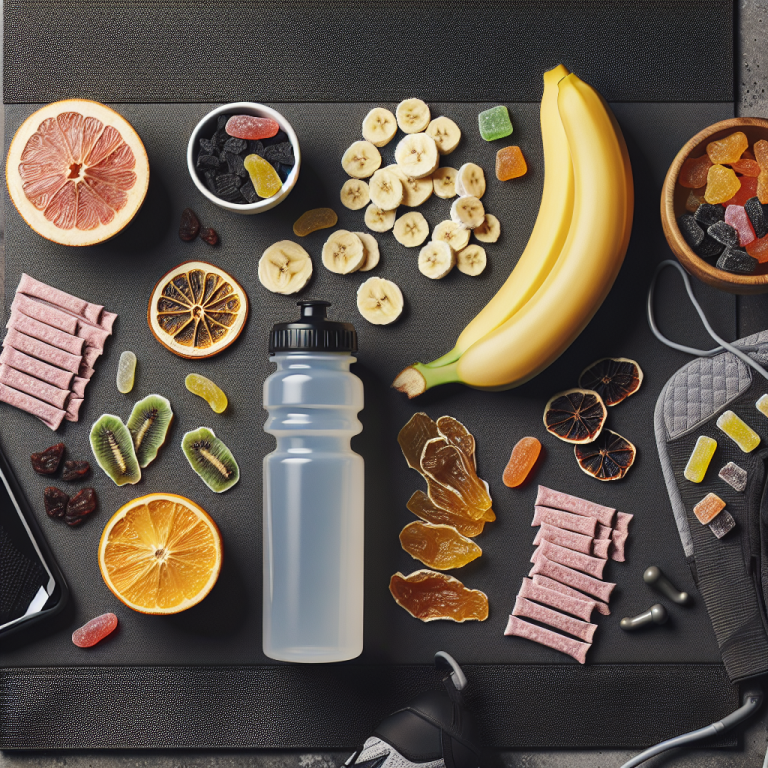
- Bananas: A natural source of glucose and potassium, easy to digest and great for immediate energy.
- Energy gels or chews: Designed for fast action, these deliver concentrated carbohydrates in a portable form.
- Rice cakes with honey: A simple and low-fiber carb option that offers a gentle energy boost.
- Dried fruits: Like dates or raisins, which are rich in simple sugars and natural electrolytes.
- Homemade sports muffins: Mini whole wheat options with oats and fruit can serve as balanced intra-training snacks.
Hydration and Electrolyte Strategies
Hydration is as critical as food for sports persons. Loss of 2% or more in body weight due to sweat can impair performance, particularly in warm environments. Water suffices for shorter workouts, but for sessions extending over an hour or involving significant perspiration, incorporating an electrolyte-containing beverage is important.
- Sports drinks with 6–8% carbohydrate content help replenish glycogen and sodium simultaneously.
- Homemade options like coconut water with a pinch of sea salt offer natural hydration alternatives.
- BCAA-infused waters or low-calorie electrolyte tablets support muscle function and reduce cramping.
Timing and Practical Tips
Understanding when and how much to eat or drink during training is key. Begin sipping fluids shortly after workouts start—don’t wait until you’re thirsty. For sessions exceeding 60–90 minutes:
- Consume 30–60 grams of carbohydrates per hour, depending on intensity
- Take small bites or sips every 15–20 minutes to avoid overloading the stomach
- Practice intra-training nutrition during training—not competition—to fine-tune your plan
Ultimately, what is a good diet for sports depends not only on pre- and post-exercise meals but also on how consistently you support your body during activity. Tailoring your food for sports person based on duration, climate, and personal tolerance will help you stay energized, focused, and performing at your best.
The Recovery Plate: Post-Workout Nutrition
Proper post-workout nutrition is one of the most critical but frequently overlooked aspects of training. After intense physical activity, the body is in a heightened state of recovery, working to rebuild muscle tissue, replenish glycogen stores, and correct fluid and electrolyte imbalances. Whether you’re an endurance athlete or lifting weights, consuming the right foods shortly after your workout can significantly enhance your fitness gains, reduce soreness, and accelerate recovery.
When considering healthy food for fitness training, it’s essential to understand the specific macronutrient needs following exercise. Post-exercise meals should ideally contain a balance of carbohydrates, protein, and healthy fats. Each of these nutrients plays a unique role in recovery:
- Carbohydrates are essential for glycogen replenishment, the primary fuel used during high-intensity exercise.
- Protein provides the amino acids needed for muscle repair and growth, particularly important after resistance or strength-based workouts.
- Healthy fats support joint health, hormone production, and reduce post-exercise inflammation.
For optimal muscle and energy recovery, aim for a 3:1 or 4:1 ratio of carbohydrates to protein within 30 to 60 minutes post-exercise. This window is known as the “anabolic window,” where the body is primed to absorb nutrients most efficiently. While whole food meals are ideal, quality smoothies or shakes can be effective alternatives when convenience is a priority.
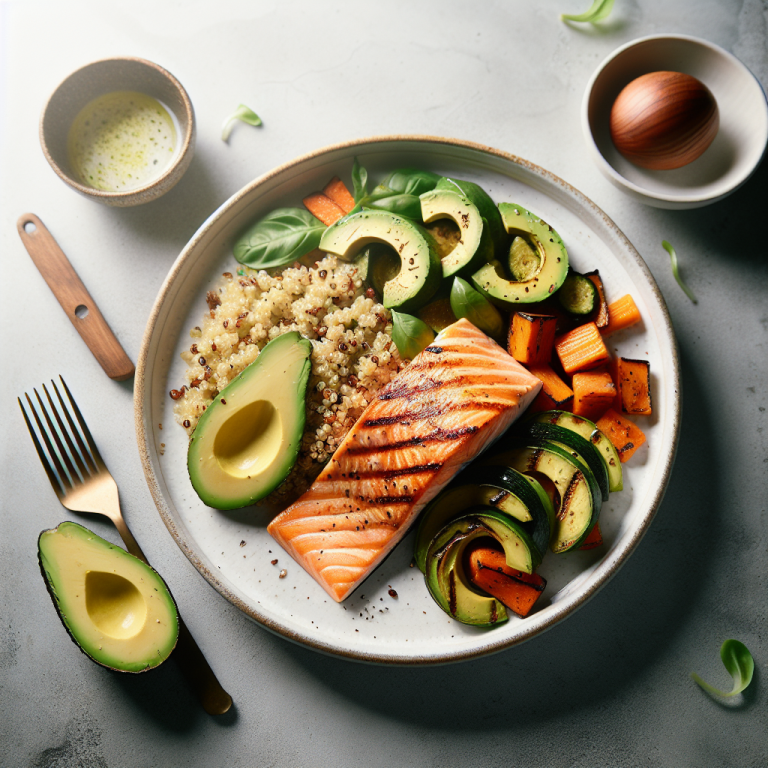
Here are some examples of the best food for fitness training recovery meals that support energy and muscle repair:
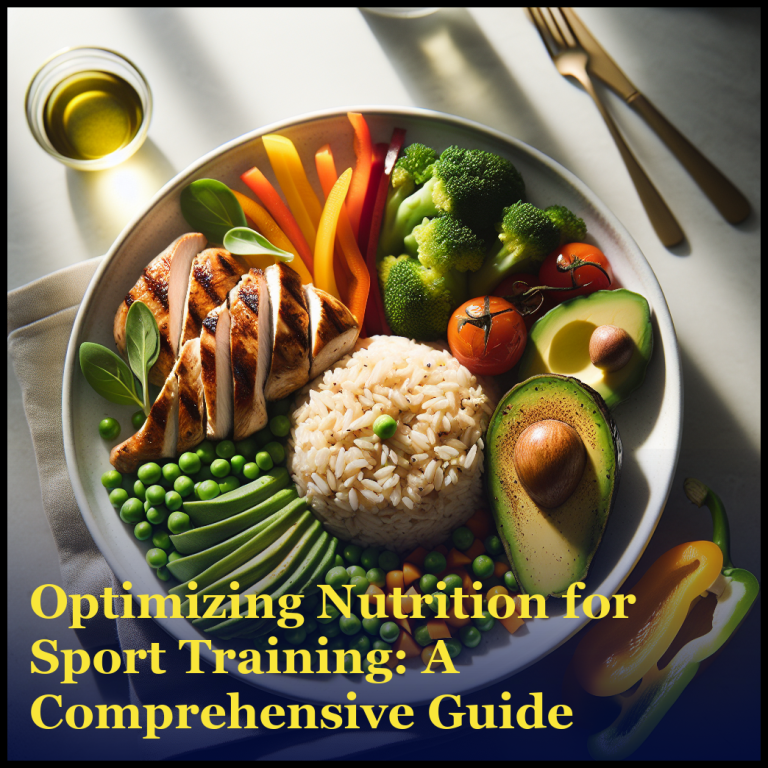
- Grilled chicken breast with sweet potato and steamed broccoli
- Quinoa salad with black beans, bell peppers, and olive oil vinaigrette
- Protein smoothie with banana, whey protein, almond butter, and oats
- Greek yogurt parfait with berries and granola
- Grilled salmon with brown rice and roasted vegetables
Hydration is another major component of effective post-workout recovery. During training, athletes can lose significant amounts of water and electrolytes through sweat. After exercise, it is important to rehydrate with fluids and electrolytes to support cellular function and metabolic processes. For most, water, herbal teas, or electrolyte-enhanced beverages are sufficient, but after prolonged or particularly sweaty sessions, a sports drink may be warranted.
Incorporating anti-inflammatory foods can also aid recovery. Ingredients like turmeric, ginger, tart cherries, walnuts, and fatty fish (rich in omega-3s) have natural compounds that help reduce muscle soreness and systemic inflammation, ensuring athletes can return to training sooner and at higher intensity.
Ultimately, when planning what is a good diet for sports and recovery specifically, the emphasis should be on whole foods, balanced macronutrients, and nutrient timing. A well-composed post-exercise meal helps transform the physiological stress of training into positive adaptations—stronger muscles, greater endurance, and enhanced performance.
To summarize the key components of a strategic post-workout recovery plate:
- Carbohydrates: Refill glycogen stores (rice, oats, fruits, starchy vegetables)
- Protein: Repair muscle tissue (lean meats, dairy, legumes, quality protein powders)
- Fats: Manage inflammation and promote hormone balance (avocados, nuts, seeds, oily fish)
- Hydration: Restore fluid and electrolyte balance (water, coconut water, rehydration solutions)
Incorporating these elements consistently into your post-workout routine is one of the most effective ways to optimize results, reduce injury risk, and maintain long-term performance—making it an essential component for every sports person serious about recovery and progress.
Customizing Your Diet for Different Sports: A Closer Look
Nutrition is never one-size-fits-all—especially in athletic performance. Whether you’re a long-distance runner, competitive weightlifter, or weekend soccer player, tailoring your intake of healthy food for fitness training makes a critical difference in performance, recovery, and longevity in your sport. This section provides a specialized look at the differing dietary needs for endurance, strength, and mixed-sport athletes, along with considerations for gender, age, and training schedules.
Understanding what foods give you energy for sports and how to time your meals is key to success. Athletes should pay attention not only to calorie intake and macronutrient distribution, but also to micronutrients, hydration, and digestive comfort based on the specific demands of their sport.
Endurance Athletes: Staying Fueled Over the Long Haul
Endurance sports such as marathons, cycling, and distance swimming require sustained energy and glycogen management. The primary nutritional goal is high carbohydrate availability to delay fatigue and promote efficient energy utilization.
- Focus on 55–65% of calories from complex carbohydrates like oats, quinoa, whole wheat pasta, and sweet potatoes.
- Include moderate protein (1.2–1.4 g/kg bodyweight/day) for muscle maintenance and recovery.
- Add healthy fats such as avocados, nuts, seeds, and olive oil.
- Prioritize iron, B-vitamins, and electrolytes like sodium and potassium.
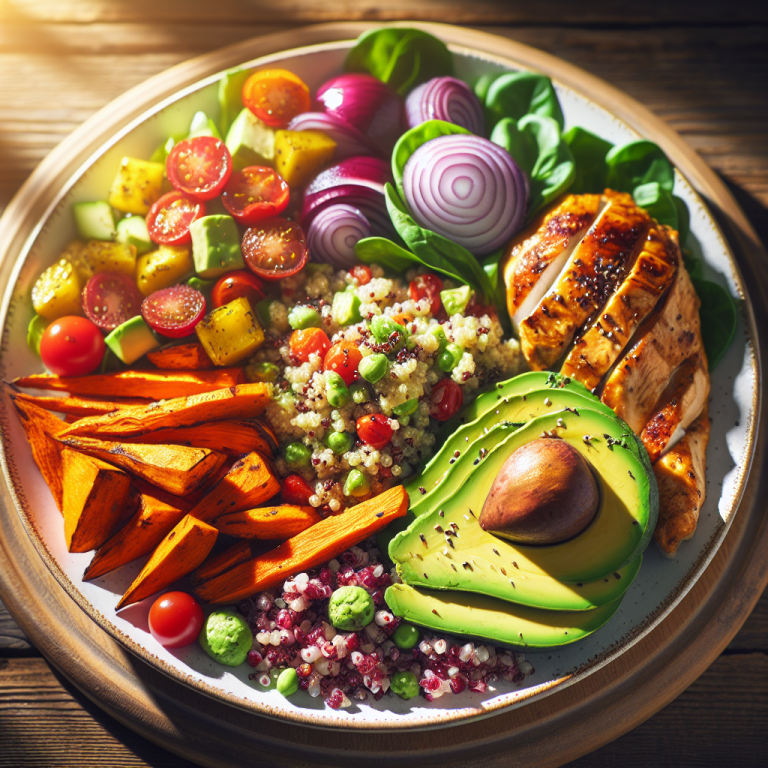
Timing meals before and during long training sessions is also vital. Small, digestible carb-rich snacks or drinks should be used during extended workouts to maintain energy and focus.
Strength Athletes: Building Power and Recovery
Weightlifters, sprinters, and other power-based athletes require high protein and controlled carbohydrate intake to support muscle growth, repair, and strength output. Recovery and consistent intake are key goals.
- Aim for 1.6–2.2 g/kg of lean protein per day from foods like chicken, fish, legumes, low-fat dairy, and eggs.
- Include carbohydrates (potentially timed around training) to fuel anaerobic efforts and restore glycogen quickly.
- Incorporate anti-inflammatory foods—berries, leafy greens, omega-3-rich fish—to aid recovery.
- Creatine, vitamin D, and magnesium may be helpful supplements for enhanced recovery and performance.
Strength athletes often benefit from meal planning that supports training sessions with nutrient-dense, protein-forward meals spaced throughout the day.
Team and Mixed-Sport Athletes: Balancing Intensity and Endurance
Sports such as soccer, basketball, and hockey demand a combination of repeated bursts of intensity and prolonged endurance. As such, these athletes should adopt a hybrid diet strategy that emphasizes both carbohydrate availability and muscle preservation.
- Consume 50–60% of calories from carbs, with a strong emphasis on pre- and mid-game fueling.
- Include 1.4–1.8 g/kg of protein for repair and strength retention.
- Ensure hydration practices match sweat and electrolyte loss over differing climates and game conditions.
- Use smoothies or carbohydrate-protein bars to meet needs on tight schedules or travel days.
This group also benefits greatly from flexible eating plans that can adjust to changing game times, travel, and unpredictable recovery windows.
Demographic Considerations: Age, Gender, and Level of Competition
Younger athletes require additional calories to support growth, while older athletes may need fewer calories but elevated nutrient density to protect muscle mass and joint health. Female athletes, especially in endurance and weight-class sports, must pay close attention to iron, calcium, and energy availability to prevent conditions such as Relative Energy Deficiency in Sport (RED-S).
Recreational vs. elite athletes also face different considerations—while elite trainers may need monitoring of micronutrient status, recreational exercisers benefit simply from consistent intake of the best food for fitness training like fruits, vegetables, lean proteins, and whole grains for balanced support.
In short, determining what is a good diet for sports depends greatly on the individual athlete’s needs. Working with a registered dietitian or sports nutritionist can fine-tune these elements and enhance performance outcomes across any training spectrum.
What are the best foods to eat for energy before sports?
High-quality carbohydrates such as brown rice, oats, and whole-grain bread are the best choices for sustained energy. Simple carbohydrates like bananas or white toast are great for quick energy boosts right before training.
How important is hydration during exercise?
Hydration is crucial during exercise. It helps maintain fluid balance, aids in thermoregulation, and can prevent performance decline due to dehydration. Water is sufficient for short workouts, while sports drinks may be needed for longer sessions to replenish electrolytes.
What should I eat to recover after a workout?
Post-workout meals should include a balance of carbohydrates for glycogen replenishment, protein for muscle repair, and healthy fats for inflammation control. A 3:1 or 4:1 ratio of carbs to protein within 30 to 60 minutes after exercise is ideal.
How can I tailor my diet to my specific sport’s needs?
Your diet should consider the intensity and duration of your sport. Endurance athletes need more carbs for sustained energy, strength athletes require more protein for muscle repair, and team sport athletes benefit from a balanced intake of carbs and protein for endurance and muscle retention.
What are some quick pre-workout snack ideas?
Quick pre-workout snacks include a banana with almond or peanut butter, half a whole-grain bagel with low-fat cream cheese, low-fat Greek yogurt topped with berries, or a smoothie made with banana, oats, and plant-based milk.