
Understanding Nutrition: The Foundation of Health
When it comes to optimizing your health, few things are as fundamental as understanding nutrition basics for beginners. Nutrition is the science of how food affects the body, influencing everything from immune function and mental clarity to energy levels and disease prevention. Developing a strong foundation in this area empowers you to make informed dietary choices that support long-term well-being.
At its core, nutrition focuses on how nutrients in the food we eat contribute to biological processes. There are two major categories of nutrients: macronutrients and micronutrients. Both play essential roles in keeping your body healthy and functional.
Macronutrients: The Body’s Primary Fuel
Macronutrients provide the bulk of our energy supply and are required in large amounts. These include:
- Carbohydrates: The body’s preferred energy source. Found in whole grains, fruits, vegetables, and legumes. The key is choosing complex carbohydrates over refined sugars.
- Proteins: Essential for cell repair, muscle building, and immune function. Good sources include lean meats, beans, tofu, dairy products, and eggs.
- Fats: Vital for brain health, hormone production, and nutrient absorption. Focus on healthy fats from sources like avocados, nuts, seeds, and olive oil.
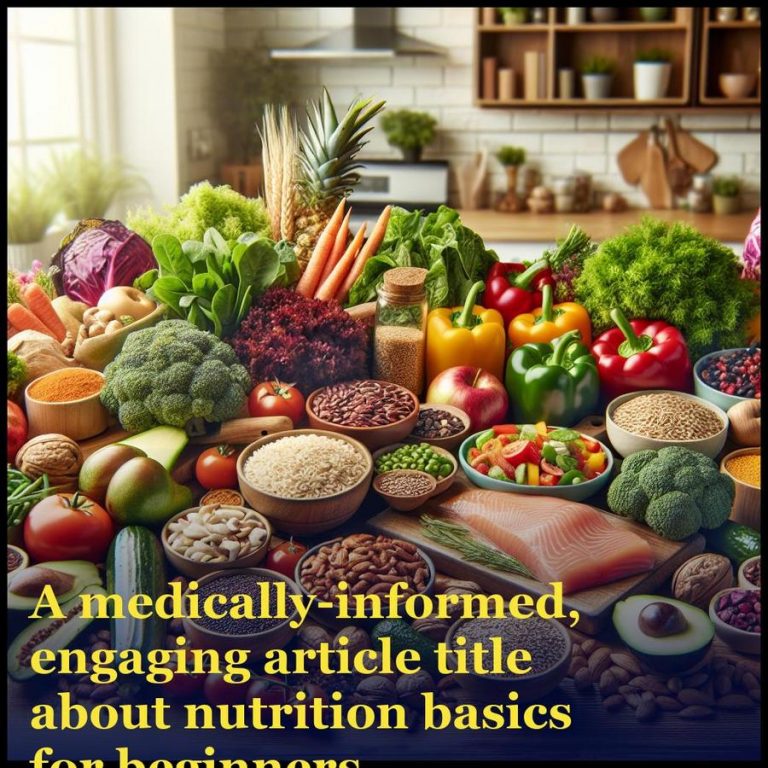
Micronutrients: Small But Mighty
While needed in smaller amounts, micronutrients are just as crucial. These include vitamins and minerals, which support a wide range of physiological functions such as metabolism, bone health, and immunity.
- Vitamins: Organic compounds like Vitamin C (immune health), Vitamin D (bone maintenance), and B vitamins (energy metabolism).
- Minerals: Inorganic elements such as calcium, iron, magnesium, and potassium that play roles in oxygen transport, nerve function, and muscle contraction.
An effective nutrition guide for beginners emphasizes balance—getting enough of each nutrient group through whole, minimally processed foods. Fostering this nutritional awareness helps prevent deficiencies and promotes overall vitality.
If you’re wondering how to learn basic nutrition, start by reading labels, planning meals with macronutrient balance in mind, and integrating a colorful variety of fruits and vegetables into your diet. These habits are at the heart of any basic nutrition guide.
Nutrition doesn’t need to feel overwhelming. Whether your goals are focused on energy, weight, or preventive health, learning the essentials will serve as a cornerstone of success. The next sections of this article will continue building your understanding while guiding you toward everyday habits—like choosing basic healthy recipes for beginners—that put this knowledge into practice.
Decoding Nutrients: What Your Body Really Needs
Understanding what your body needs in terms of nutrients is essential to building a solid foundation for health. This section of our basic nutrition guide helps you learn how to nourish your body effectively by exploring the core elements of nutrition: macronutrients and micronutrients. These are the building blocks your body relies on for energy, growth, repair, and overall well-being.
Macronutrients—proteins, fats, and carbohydrates—are needed in larger amounts and provide energy measured in calories. Let’s explore each group and how they support optimal health.
- Proteins: Often referred to as the body’s building blocks, proteins are essential for repairing tissues, building muscle, and supporting immune function. Sources include lean meats, poultry, fish, eggs, tofu, legumes, and dairy.
- Fats: Healthy fats are critical for brain health, hormone production, and nutrient absorption. Focus on unsaturated fats found in foods like avocados, nuts, seeds, olive oil, and fatty fish such as salmon. Limit trans fats and saturated fats from processed foods and fried items.
- Carbohydrates: Your body’s main energy source, carbs fuel your brain and muscles. Choose complex carbohydrates from whole grains, vegetables, fruits, and legumes instead of refined sugars and white bread.
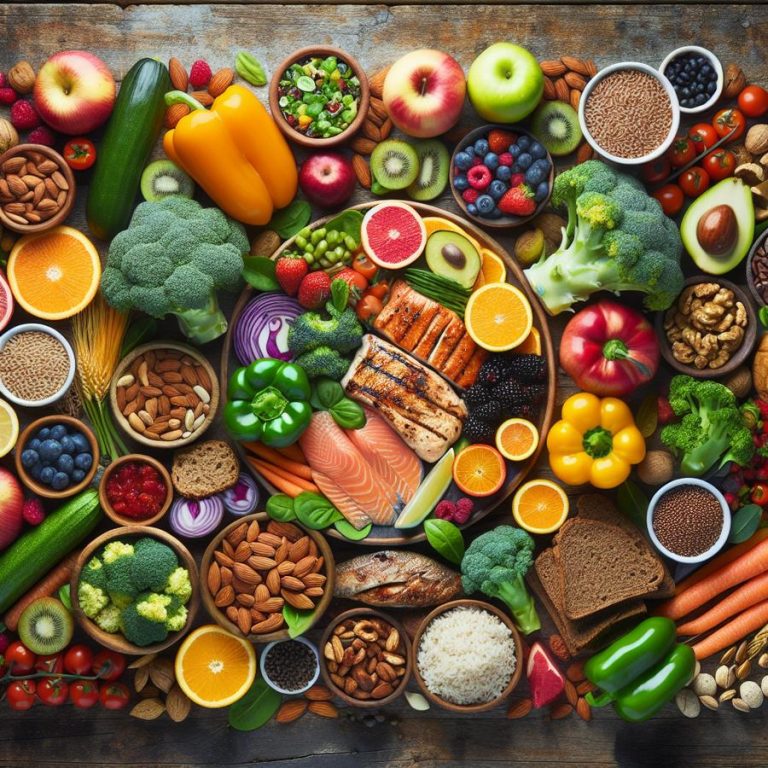
In addition to macronutrients, your body requires micronutrients—vitamins and minerals—that are needed in smaller quantities but have powerful effects on health. Here are some key examples:
- Vitamins: These organic compounds support everything from vision to immune defense. For instance, vitamin D promotes bone health and immune function, while vitamin C aids in healing and collagen production. Fruits, vegetables, dairy, and fortified cereals are great sources.
- Minerals: Micronutrients like iron, calcium, zinc, and magnesium play key roles in oxygen transport, nerve function, and bone strength. You can obtain them through leafy greens, nuts, seeds, legumes, meats, and whole grains.
If you’re wondering how to learn basic nutrition, start by reading food labels, practicing portion control, and incorporating a variety of whole foods into your meals. Diversifying your diet ensures you receive a spectrum of nutrients to meet your body’s daily needs.
Whether you’re following this nutrition guide for beginners to feel more energized, reduce cravings, or simply make informed food choices, decoding essential nutrients is a critical first step. Once you grasp the function of each nutrient and where to find it, you’re well on your way to a balanced, health-supporting diet.
Building Your Healthy Plate: A Step-by-Step Guide
When it comes to mastering nutrition basics for beginners, learning how to build a healthy plate is an essential first step. Whether you’re cooking at home or ordering out, making informed choices about portion sizes and food types can set the foundation for long-term wellness. In this guide, we’ll walk you through how to structure balanced meals, choose nutrient-dense ingredients, and create flexible meal plans that cater to different lifestyles and age-specific needs.
A balanced meal typically includes these components: lean protein, complex carbohydrates, healthy fats, and a variety of fruits and vegetables. Each of these food groups plays a critical role in fueling your body:
- Proteins: Build and repair tissues. Good sources include poultry, fish, legumes, tofu, and eggs.
- Carbohydrates: Provide energy. Choose whole grains like brown rice, quinoa, whole wheat pasta, or oats.
- Healthy fats: Support brain function and hormone production. Avocados, olive oil, nuts, and seeds are ideal.
- Fruits and vegetables: Rich in essential vitamins, minerals, and antioxidants. Aim for a rainbow of colors to maximize nutrient intake.
Using the “My Healthy Plate” template is a practical way to visualize balanced eating. Fill half your plate with vegetables and fruits, one-quarter with lean protein, and the remaining quarter with whole grains. Add a serving of healthy fats and a glass of water or unsweetened tea to round out the meal. This simple approach makes it easier to follow a basic nutrition guide in daily life.
Planning your meals ahead of time can save energy, reduce food waste, and support consistency in nutritional intake. Here’s a basic weekly structure beginners can follow:
- Breakfast: Oatmeal with nuts and berries or scrambled eggs with whole grain toast.
- Lunch: Grilled chicken wrap with mixed greens and hummus or quinoa salad with beans and vegetables.
- Dinner: Baked fish with roasted vegetables and wild rice or lentil stew with a side of steamed greens.
- Snacks: Greek yogurt, sliced veggies with hummus, or fruit paired with a handful of almonds.
Portion control is another key element in healthy eating. Use smaller plates, chew slowly, and listen to your body’s hunger cues. Avoid eating while distracted, as this may lead to overeating. Equally important is adapting your nutrition plan based on age and activity level. Children, athletes, pregnant women, and older adults all have different dietary requirements. For example, growing teens need more calories and calcium, while older adults may require more protein and vitamin D.
By following a structured but flexible approach to mealtimes, you’ll gain confidence in your choices and gradually build healthier habits. This nutrition guide for beginners is designed to help you set realistic goals and keep your meals enjoyable, satisfying, and aligned with your health priorities.
Simple and Nutritious: Basic Healthy Recipes for Beginners
Learning to cook doesn’t have to be overwhelming—especially when you’re starting with a nutrition guide for beginners. By focusing on whole ingredients and straightforward preparation methods, you can nourish your body while developing confidence in the kitchen. This section will walk you through easy, delicious, and balanced meals that support your health goals and fit into even the busiest lifestyle.
Eating well begins with choosing the right ingredients. Recipes should emphasize whole foods like vegetables, lean proteins, whole grains, and healthy fats. These components provide essential macronutrients—proteins, carbohydrates, and healthy fats—along with vital micronutrients like vitamins and minerals.

3 Easy Recipes That Align With the Basic Nutrition Guide
- 1. Mediterranean Chickpea Bowl: Combine 1 cup of canned chickpeas (rinsed and drained), ½ cup of chopped cucumbers, ½ red bell pepper, ¼ cup feta cheese, and 1 tablespoon of olive oil with lemon juice. Serve over 1 cup of cooked quinoa. This meal is rich in plant-based protein, fiber, and heart-healthy fats.
- 2. Simple Grilled Chicken and Veggies: Season a 4-ounce chicken breast with olive oil, garlic, and herbs. Grill or bake until fully cooked. Pair with a side of steamed broccoli and a baked sweet potato. This balanced plate offers lean protein, complex carbohydrates, and antioxidants.
- 3. Overnight Oats with Berries: In a mason jar or container, mix ½ cup rolled oats, 1 cup low-fat milk or unsweetened almond milk, 1 tablespoon chia seeds, and ½ cup mixed berries. Refrigerate overnight. The next morning, stir and enjoy a breakfast rich in fiber, omega-3s, and natural sweetness.
Tips for Success in the Beginner’s Kitchen
- Start small: Focus on mastering 3–5 basic recipes you enjoy and can prep easily.
- Batch cook when possible: Prepare several servings at once to save time during the week.
- Mix and match ingredients: Learn how staple items like brown rice, roasted vegetables, and boiled eggs can be combined in different ways.
- Keep your pantry stocked: Essentials like canned beans, whole grains, olive oil, and spices make meal prep easier.
By using this basic nutrition guide as your foundation, and sticking with accessible ingredients and simple recipes, you’re well on your way to creating healthy eating habits that last. These basic healthy recipes for beginners aren’t just nourishing—they’re also satisfying and adaptable to your tastes and nutritional needs.
Next time you’re wondering how to learn basic nutrition in a hands-on way, remember that your kitchen is your classroom. Start with these simple meals and build your confidence one dish at a time.
Busting Nutrition Myths: Facts vs. Fallacies
In today’s information-saturated world, distinguishing between scientifically supported advice and misleading dietary claims can be challenging—especially when beginning your journey into healthy eating. As part of a nutrition guide for beginners, understanding the difference between fact and fiction is essential to making informed food choices. In this section, we dismantle some of the most common nutrition myths that often derail health goals and provide evidence-based clarifications to empower you with the truth.
Myth #1: Carbohydrates are bad and should be avoided altogether.
This is perhaps one of the most persistent misconceptions. While refined sugars and heavily processed carbs can contribute to weight gain and blood sugar spikes, complex carbohydrates—like those found in whole grains, legumes, fruits, and vegetables—are essential sources of energy and fiber. The key is quality and quantity, not complete elimination.
Myth #2: A high-protein diet harms your kidneys.
Unless you have a preexisting kidney condition, there is no solid scientific evidence that a higher protein intake negatively affects kidney health in healthy individuals. In fact, adequate protein is vital for muscle repair, immune function, and maintaining lean body mass, especially during weight loss or exercise routines.
Myth #3: All fats are unhealthy.
Fats have often been vilified, but not all fats are created equal. Unsaturated fats from sources like avocados, nuts, seeds, and olive oil support heart health, brain function, and hormonal balance. On the other hand, trans fats and excessive saturated fats should still be limited. Understanding fat types is a critical part of any basic nutrition guide.
Myth #4: You must detox your body with special juices or cleanses.
The truth is, your body is already equipped with a highly efficient, natural detox system—led by your liver, kidneys, and digestive system. Most so-called “detox” products are not backed by clinical evidence. Instead of relying on trendy cleanses, support your body’s detoxification through a balanced diet rich in whole foods, hydration, and fiber.
Myth #5: Eating late at night automatically causes weight gain.
Weight gain is more about overall calorie intake and energy expenditure than meal timing. That said, late-night eating can sometimes lead to overeating, particularly of calorie-dense, nutrient-poor snacks. Focusing on balanced portions throughout the day is a more sustainable approach in any reliable nutrition basics for beginners routine.
How to Learn Basic Nutrition the Right Way
- Follow reputable sources like registered dietitians and peer-reviewed studies.
- Beware of “one-size-fits-all” solutions or miracle diets.
- Tune into how your own body responds to various foods.
- Ask your healthcare provider before making major dietary changes.
In summary, separating myths from facts is a foundational step in learning how to learn basic nutrition. With science on your side and a bit of critical thinking, you can build habits that support long-term health, energy, and confidence in your food choices. Let this section guide you toward greater clarity—and fewer dietary detours.
Next Steps in Nutrition: Tailoring Your Diet to Your Goals
Once you’ve mastered the nutrition basics for beginners, it’s time to take your healthy eating habits one step further by customizing your diet to support your individual goals. Whether you’re aiming to lose weight, build muscle, or simply maintain optimal wellness, a tailored nutrition plan ensures that you’re making every bite count.
Every body has different needs based on age, activity level, health status, and lifestyle. Understanding how to adjust caloric intake and balance macronutrients can empower you to make smarter food choices and achieve sustainable results. Here’s how to fine-tune your basic nutrition guide to meet your personal health objectives.
1. Define Your Health Goals
Clear goals help guide your nutritional strategy. Ask yourself: Are you trying to shed a few pounds, increase muscle definition, improve energy, or support metabolic health? Each objective aligns with a unique dietary approach:
- Weight Loss: Focus on creating a modest calorie deficit while prioritizing fiber-rich vegetables, lean proteins, and healthy fats.
- Muscle Gain: Increase your protein intake and elevate overall calories to support muscle repair and growth.
- Maintenance: Keep a stable caloric intake with balanced macronutrients to support daily energy and long-term wellness.
2. Calculate Your Caloric Needs
Your daily energy requirements depend on your gender, body weight, metabolism, and activity level. Use a BMR (Basal Metabolic Rate) calculator as a starting point, then factor in exercise and lifestyle to estimate your Total Daily Energy Expenditure (TDEE). Adjust your intake upward or downward based on your goals.
3. Balance Your Macronutrients
A foundational principle in any nutrition guide for beginners is to balance your macronutrients: protein, carbohydrates, and fats. A simplified ratio could look like 40% carbs, 30% protein, and 30% healthy fats—but customization is key. For instance, athletes may require more carbohydrates, while someone on a fat-loss journey may benefit from a higher protein strategy.

4. Adjust Strategies Based on Progress
Nutrition is dynamic, not static. As your body adapts, your dietary needs will evolve. Periodically reassess your weight, energy levels, and physical performance. A few signs it’s time to adjust include:
- Plateaus in weight loss or muscle gain
- Low energy or fatigue
- Constant cravings or lack of satiety
5. Personalization Tips for Everyday Success
- Use a food-tracking app to monitor intake and nutrient balance.
- Consult a registered dietitian or qualified healthcare professional for specialized needs.
- Stay consistent, but flexible—occasional indulgences are part of a sustainable plan.
Ultimately, learning how to learn basic nutrition equips you with the confidence to make informed food decisions across life’s changing demands. A personalized plan doesn’t mean perfection—it means consistency, balance, and awareness.
FAQ
What are the basic principles of nutrition for beginners?
The basic principles of nutrition focus on balancing macronutrients (carbohydrates, proteins, and fats) and micronutrients (vitamins and minerals) to support overall health. It’s about choosing whole, minimally processed foods like vegetables, fruits, whole grains, lean proteins, and healthy fats to meet your body’s needs.
How can I start learning about basic nutrition?
To start learning about basic nutrition, focus on understanding food labels, practicing meal planning with a balance of macronutrients, and integrating a variety of fruits and vegetables into your diet. Educating yourself through reputable nutrition guides and resources can also be immensely helpful.
What are some easy healthy recipes for beginners?
Easy healthy recipes for beginners include Mediterranean Chickpea Bowls, Simple Grilled Chicken and Veggies, and Overnight Oats with Berries. These recipes are balanced in nutrients, straightforward to prepare, and adaptable to various tastes and dietary preferences.
How do I bust common nutrition myths?
Busting common nutrition myths involves seeking out evidence-based nutritional information and guidelines, consulting with healthcare professionals or registered dietitians, and being cautious of one-size-fits-all advice or miracle diet claims. Educate yourself on the science behind nutrition to make informed decisions.
How can I tailor my diet to my specific health goals?
Tailoring your diet to specific health goals starts with defining your objectives, calculating your caloric needs and the balance of macronutrients. Adjust your dietary strategies based on progress, and consider consulting with a dietitian for personalized advice. Remember, consistency, balance, and awareness are key to a sustainable plan.
Related Posts:
- Creamy Tomato and Spinach Pasta with Garlic: 20-Minute Easy Weeknight Dinner Recipe
- Nourishing Your Bones: A Guide to Bone-Strengthening Foods
- Budget-Friendly Quinoa Power Bowl
- Nutrition-Boosted Delicious Meatloaf: A Medically-Informed Guide
- 7 Day Detox Meal Plan: Complete Whole Foods Cleanse with Liver-Supporting Foods