
Introduction to Proper Diet Foods: The Foundation of Optimal Nutrition
Embracing a healthier lifestyle begins with understanding the role of proper diet foods in daily nutrition. These are foods that provide the essential nutrients your body needs to function efficiently, including vitamins, minerals, lean proteins, healthy fats, and complex carbohydrates. More than just arbitrary choices, proper diet foods form the basis of a balanced diet that supports physical health, mental clarity, energy levels, and long-term disease prevention.
In a world overwhelmed by dietary trends and misinformation, it’s crucial to return to evidence-based nutrition. A proper diet food chart or proper diet food plate visually guides individuals on portion sizes and the appropriate distribution of food groups such as fruits, vegetables, whole grains, lean proteins, and healthy oils. When combined thoughtfully, these food categories contribute to a comprehensive and sustainable eating pattern.
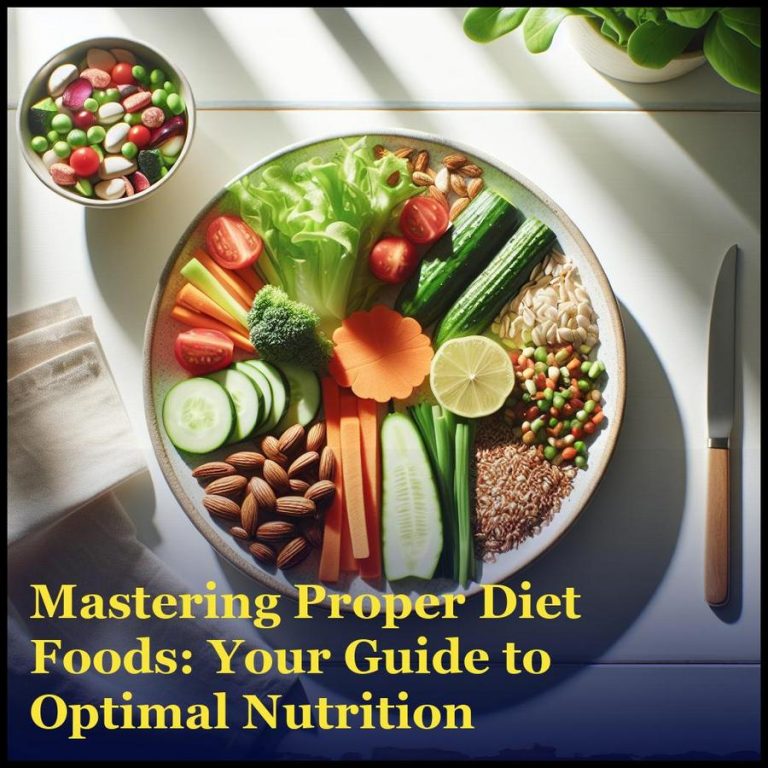
The importance of maintaining a balanced diet goes beyond aesthetic goals like weight management. Scientific research consistently links the consumption of healthy diet foods with reduced risk for chronic illnesses such as heart disease, diabetes, obesity, and certain cancers. Moreover, choosing the best diet foods for your individual need—whether you’re aiming for weight loss or muscle building—can enhance both performance and recovery, especially when integrated into a tailored nutrition plan.
Here’s why integrating proper diet foods into daily life matters:
- Supports Immune Function: Nutrient-dense foods strengthen the body’s defenses against illness.
- Boosts Energy Levels: Balanced meals help regulate blood sugar and prevent energy crashes.
- Improves Mental Focus: Omega-3s, whole grains, and antioxidants contribute to brain health.
- Promotes Healthy Weight: Whole foods aid metabolism and satiety, helping avoid processed calorie traps.
- Enhances Longevity: Plant-based and minimally processed foods reduce inflammation linked to aging.
Whether you’re just starting your journey or refining an existing meal plan, this guide will empower you to identify the good diet foods for your lifestyle. Throughout this article, we’ll offer insights into how to build a balanced diet food list, shop strategically, and stay motivated for long-term success.
Fundamentals of a Balanced Diet: Building a Proper Diet Food Plate
A balanced diet is the foundation of optimal health, providing your body with everything it needs to function at its best. Consuming proper diet foods from each essential food group ensures you get the necessary macronutrients—carbohydrates, proteins, and fats—as well as vital micronutrients like vitamins and minerals. Understanding and applying these fundamentals can help prevent chronic diseases, support energy levels, aid in weight management, and contribute to long-term vitality.
The key to creating a balanced proper diet food plate lies in proportion and variety. Every meal should ideally contain:
- Whole grains for sustained energy and fiber (e.g., quinoa, brown rice, oats)
- Lean proteins to support muscle health and metabolism (e.g., chicken, fish, legumes, tofu)
- Colorful vegetables and fruits to supply antioxidants, fiber, and essential vitamins
- Healthy fats like those from nuts, seeds, avocados, and olive oil
- Low-fat dairy or fortified alternatives for calcium and vitamin D
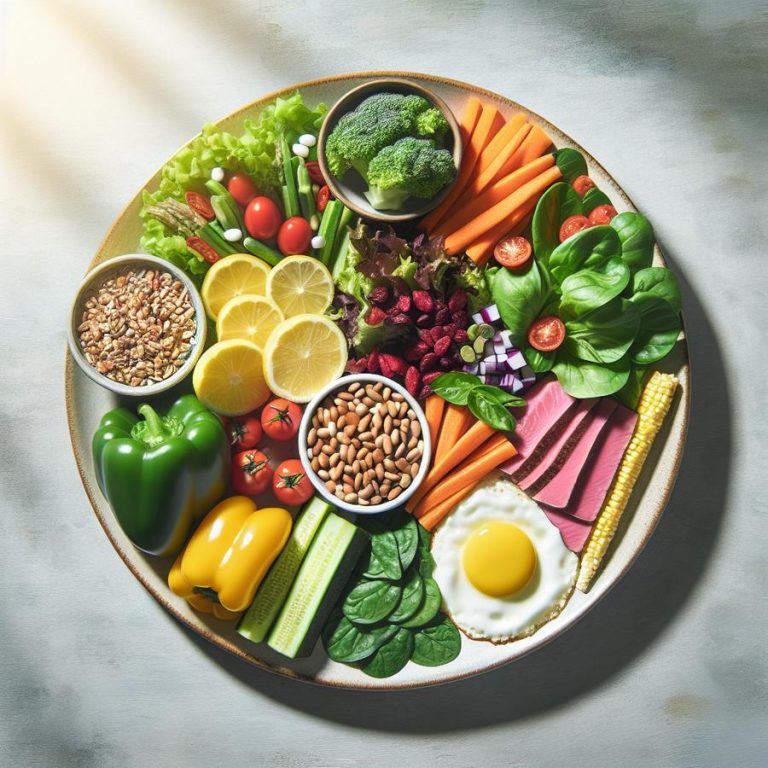
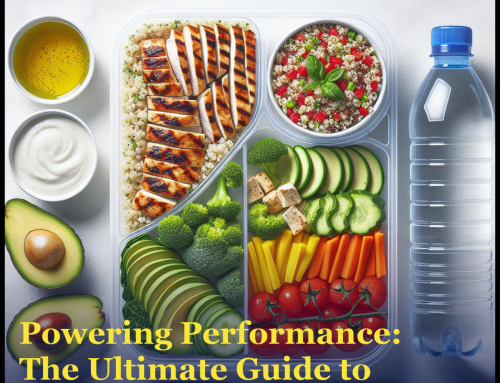
The proper diet food chart commonly used by nutritionists can act as a daily guide. Aim to fill half your plate with vegetables and fruits, one-quarter with protein sources, and one-quarter with whole grains. Add a small serving of healthy fat and include water or unsweetened beverages.
Incorporating these principles into your routine doesn’t have to be complex. Start with small adjustments:
- Swap refined grains for whole grain options such as brown rice or whole wheat bread
- Include a protein source in every meal to support lean muscle
- Add leafy greens or raw vegetables as side dishes or snacks
- Use extra virgin olive oil in place of butter or lard
- Choose seasonal fruits as natural dessert alternatives
Whether your goal is to maintain general wellness, support muscle build, or pursue weight loss, the same basic nutritional principles apply. A well-rounded balanced diet food list that includes a variety of healthy diet foods will meet most nutritional needs. Adjust portion sizes and frequency of high-calorie ingredients depending on your metabolic demands and activity level.
Remember, there are no “one-size-fits-all” solutions—balance and consistency are key. When in doubt, refer to a proper diet food list or consult a professional for personalized advice based on your health goals.
Crafting Your Healthy Eating Plan: Tailoring Proper Diet Foods to Your Lifestyle
Building a sustainable and effective eating plan begins with aligning your daily meals with your individual health goals, nutritional requirements, and dietary preferences. Whether you’re aiming for weight loss, muscle gain, improved metabolic health, or simply maintaining wellness, a personalized approach to proper diet foods is essential. Creating this plan doesn’t mean following a rigid program—instead, it’s about adapting balanced diet food lists into a lifestyle that truly works for you.
Start by assessing your daily caloric and macronutrient needs. These depend on factors such as age, gender, physical activity level, and current health status. Then, use a proper diet food chart to distribute those calories among proteins, fats, and carbohydrates from whole, nutrient-rich sources. For instance, if your goal is fat loss, focus on high-fiber and high-protein foods that keep you full longer. If you’re building muscle, ensure adequate intake of quality protein sources paired with complex carbohydrates.
Incorporating foods from a proper diet food list can vastly improve nutritional quality. Include:
- Lean proteins: Skinless poultry, tofu, eggs, beans
- Healthy fats: Avocados, olive oil, nuts, seeds
- Complex carbs: Quinoa, sweet potatoes, brown rice
- Fiber-rich vegetables and fruits: Broccoli, berries, spinach, apples
Real-life stories often illustrate the power of customization. Consider Robert, a 45-year-old prediabetic who struggled using one-size-fits-all diet plans. When he switched to a targeted approach emphasizing low-glycemic healthy diet foods and structured his meals using a proper diet food plate, his energy levels and blood sugar improved significantly. In contrast, Lena, a busy executive, failed several diets due to lack of meal prep time. She found success by batch-prepping savory best diet foods on Sundays and using quick recipes that fit her schedule.
Crafting a proper dietary plan is not about perfection. It’s about consistency, informed choices, and flexibility. Keep refining your strategy, introduce variety from the balanced diet food list, and stay attuned to your body’s responses. In time, your meals will not only become nourishing but also enjoyable and sustainable.
Shopping and Cooking Tips for a Proper Diet
Adopting a healthy eating routine begins well before you sit down to a meal. It starts in the grocery store and continues into the kitchen. Making the right choices at the point of purchase and understanding how to prepare nutrient-dense meals are crucial steps in mastering proper diet foods. With a little planning and awareness, you can turn your kitchen into a hub for nutrition and wellness.
How to Grocery Shop for the Best Diet Foods
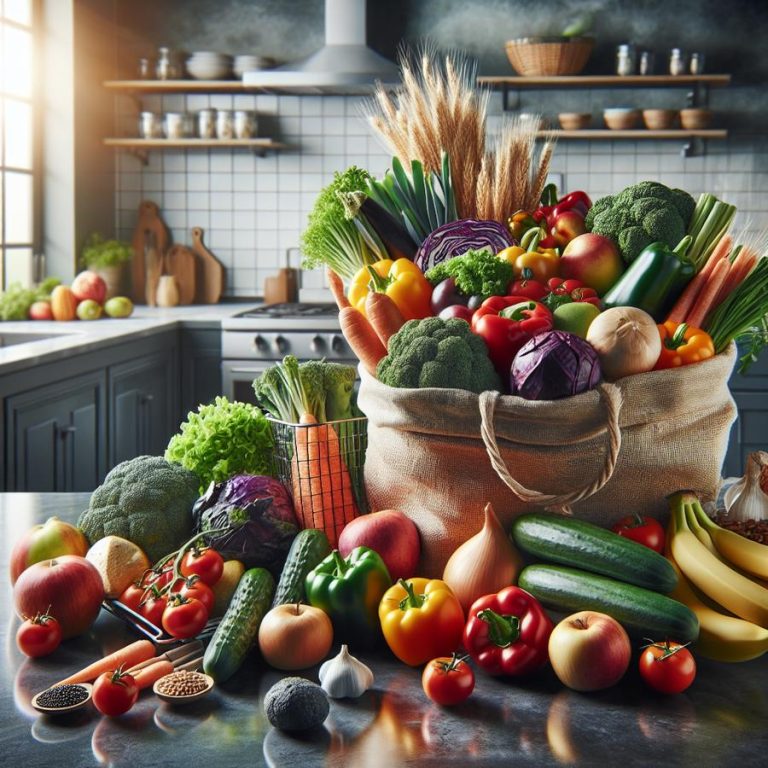
Smart shopping is the foundation of a balanced diet food list. Avoid impulse buys and highly processed options by creating a proper diet food list before heading out. Stick to your list and shop primarily from the store’s perimeter, where fresh produce, lean proteins, and dairy are typically located. Always read labels—look for items low in sodium, added sugars, and saturated fats.
- Fill at least 50% of your cart with fruits and vegetables of various colors for a range of nutrients.
- Choose whole grains like brown rice, quinoa, and steel-cut oats over refined grains.
- Pick lean protein sources such as chicken breast, tofu, legumes, and fish rich in omega-3s.
- Opt for healthy fats like avocados, olive oil, nuts, and seeds in moderation.
Cooking Techniques That Preserve Nutrition
The way you cook can significantly impact the nutritional value of your meals. Frying or overcooking often reduces vital vitamins and minerals, while other methods, such as steaming or roasting, help lock nutrients in. To align with a proper diet food chart, prioritize methods that maintain or enhance ingredient quality.
- Steam or gently sauté vegetables to maintain fiber and antioxidants.
- Roast lean proteins with herbs instead of heavy sauces or marinades.
- Use a non-stick pan or minimal oil to reduce unnecessary fat intake.
- Batch cook meals for the week to avoid resorting to fast food or unhealthy snacks.
Whether your goal is proper diet food for weight loss or proper diet food for muscle build, the right shopping and preparation strategies are key to staying on track. With practice, your efforts in the market and kitchen will become intuitive, paving the way to a sustainable, healthy lifestyle.
Overcoming Common Dietary Challenges with Proper Diet Foods
Maintaining a healthy and consistent eating plan is essential for long-term well-being, but many individuals face everyday obstacles that can derail their nutritional goals. Whether it’s a packed schedule, constant social engagements, or the irresistible draw of processed snacks, understanding how to overcome these common dietary challenges is key to sustaining a balanced and nutrient-rich lifestyle. Incorporating proper diet foods effectively can make the difference between short-lived efforts and lasting change.
Strategies for Staying on Track with the Proper Diet Food List
One of the primary hurdles to healthy eating is a lack of time. Between work, family obligations, and social commitments, preparing nutritious meals often falls to the bottom of the priority list. However, by planning ahead and utilizing a proper diet food chart, individuals can streamline meal preparation and reduce dependency on convenience foods.
- Batch cook meals on weekends and freeze portions for quick weekday use.
- Keep a healthy diet foods pantry stocked with basics like canned beans, brown rice, oats, and frozen vegetables.
- Use meal planning apps to structure weekly menus aligned with your proper diet food list.
Eating Out Without Sabotaging Your Goals
Dining at restaurants can present hidden calories and oversized portions. However, careful menu navigation can help maintain alignment with a balanced diet. Look for dishes rich in lean proteins, whole grains, and vegetables. Avoid creamy sauces and ask for dressings on the side to control fat intake.
- Choose grilled, baked, or steamed over fried items.
- Request substitutions like salad or steamed veggies instead of fries.
- Stick to proper diet food plate principles—half veggies, one-quarter protein, one-quarter whole grains.
Resisting Processed Cravings and Emotional Triggers
Temptations are inevitable, especially in stress-filled moments. It’s crucial to identify emotional eating triggers and replace unhealthy snacks with good diet foods that satisfy both hunger and nutrients. Keep high-protein or high-fiber snacks like Greek yogurt, almonds, or sliced carrots within reach to reduce impulse choices.
- Practice mindful eating—pause to assess true hunger before indulging.
- Build a routine that includes scheduled meals and nutrient-dense snacks.
- Use the best diet foods as your go-to selections during cravings for optimal satisfaction.
By proactively addressing common eating obstacles with strategic planning and a thoughtful selection of proper diet food for weight loss or muscle support, it’s entirely possible to build an effective and sustainable approach to nutrition in the real world. The key is consistency, flexibility, and a clear understanding of your unique challenges.
Special Considerations for Diverse Dietary Needs
While understanding the fundamentals of healthy diet foods is essential, it is equally important to recognize that nutritional requirements vary by age, lifestyle, and health status. A proper diet food plan should be flexible and tailored to support the specific needs of different populations. Let’s explore how to adapt a balanced diet food list for children, older adults, athletes, and individuals with medical or dietary restrictions.
Children: Building Foundations for Lifelong Health
Children require a nutrient-dense diet to support rapid growth and development. A proper diet food plate for kids should emphasize:
- Diverse fruits and vegetables for essential vitamins and fiber
- Calcium-rich foods like yogurt, tofu, and leafy greens for bone health
- Whole grains and lean proteins for sustained energy and muscle development
Encouraging balanced meals early on develops taste preferences that promote healthier choices long-term.
Older Adults: Supporting Aging Bodies
With age comes changes in metabolism and nutrient absorption. For older adults, a proper diet food chart should highlight:
- Calcium and vitamin D for bone maintenance
- High-fiber foods to support digestive health
- Lean protein sources to prevent muscle loss
Hydration and portion control also become increasingly vital as appetite and energy requirements shift.
Athletes: Fueling Performance and Recovery
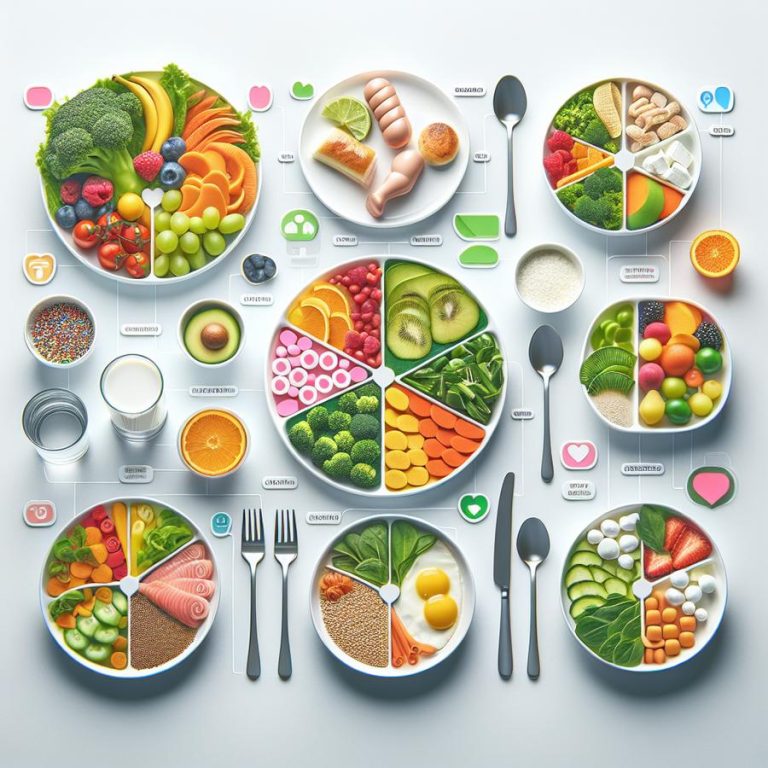
Performance-focused individuals need precise fueling. A proper diet food for muscle build includes:
- Complex carbohydrates like quinoa and sweet potatoes for energy
- Complete proteins such as eggs, salmon, or plant-based protein blends
- Healthy fats from avocado, nuts, and flaxseeds supporting hormonal balance and recovery
Timing of meals and hydration strategies are also crucial to performance.
Special Medical or Dietary Conditions
People with food allergies, diabetes, hypertension, or digestive disorders often need highly individualized plans. Considerations include:
- Low-glycemic index foods and fiber for blood sugar control in diabetics
- Low-sodium options for hypertensive individuals
- Gluten- or dairy-free substitutions when managing food intolerances
These adjustments are best made in collaboration with a registered dietitian or physician for safety and balance.
By recognizing these nuances and tailoring good diet foods accordingly, everyone—from young children to aging adults—can benefit from vibrant health and optimized dietary support at every stage of life.
Maintaining Your Ideal Diet: A Long-Term Perspective for Sustainable Health
Adopting proper diet foods isn’t a short-term fix—it’s a lifelong commitment to your health. While the initial excitement of starting a new eating plan may fuel motivation, maintaining your balanced diet food list over time requires a thoughtful, realistic approach. The key lies in sustainability: building habits that support your personal health goals while keeping you inspired to stay consistent.
A proper diet food chart should evolve with your lifestyle, preferences, and nutritional requirements. Flexibility and variety act as safeguards against burnout and monotony, which are common reasons people abandon even the best diet foods. This approach includes embracing nutrient-rich staples, setting achievable goals, and allowing for occasional indulgences without guilt.
Here are some proven strategies to help you maintain your ideal diet over the long term:
- Create realistic goals: Set targets that align with your lifestyle, such as improving energy levels, supporting a workout routine, or managing health conditions.
- Keep your kitchen stocked: Maintain a rotating supply of healthy diet foods from your personalized proper diet food list to reduce reliance on convenience or fast food options.
- Stay flexible: Allow space in your diet for seasonal foods, travel, changes in routine, or special occasions. A single deviation doesn’t derail your progress—it’s part of balance.
- Use visual tools: Refer to a proper diet food plate model when building meals to ensure variety and proportionality of macronutrients.
- Stay hydrated and physically active: Diet and exercise go hand in hand. Drinking water regularly and incorporating daily movement reinforces your commitment to healthful living.
If your dietary goals evolve—such as shifting from proper diet food for weight loss to proper diet food for muscle build—adjust your intake and food choices accordingly. Be patient with yourself during transitions, and consult with a registered dietitian or health professional when needed.
Finally, focus on self-compassion and progress over perfection. Celebrate small wins such as consistently choosing good diet foods or cooking at home more often. Consistency, not rigidity, is the true driver of long-term dietary success.
FAQ
What are proper diet foods?
Proper diet foods include a variety of nutrient-dense foods that provide vitamins, minerals, lean proteins, healthy fats, and complex carbohydrates. They are the cornerstone of a balanced diet, supporting overall health, energy levels, and reducing the risk of chronic diseases. Eating a mix of fruits, vegetables, whole grains, lean protein sources, and healthy fats ensures you get the necessary nutrients your body needs.
How can I create a proper diet food plate?
To create a proper diet food plate, fill half of your plate with fruits and vegetables, a quarter with lean protein sources (like chicken, fish, legumes, or tofu), and the remaining quarter with whole grains (such as quinoa, brown rice, or whole wheat pasta). Incorporate a small portion of healthy fats like avocados or nuts, and opt for water or unsweetened beverages to drink. This balance ensures you’re getting a variety of nutrients needed for good health.
What should I include in my proper diet food list for weight loss?
Your proper diet food list for weight loss should focus on high-fiber vegetables and fruits, lean proteins, whole grains, and healthy fats. These foods help create a feeling of fullness and offer essential nutrients without excessive calories. Limiting processed foods, sugary snacks, and high-calorie beverages can also help achieve and maintain a healthy weight. Portion control and balancing food groups are key strategies for weight loss.
Can proper diet foods help in muscle building?
Absolutely. For muscle building, your diet should be rich in lean proteins such as skinless poultry, fish, beans, and legumes, which support muscle repair and growth. Combining adequate protein intake with complex carbohydrates and healthy fats provides the energy and nutrition necessary for workouts and recovery. Adjusting portion sizes and meal timing can further optimize muscle growth and performance.
How can I maintain a balanced diet with a busy lifestyle?
Maintaining a balanced diet with a busy lifestyle requires planning and preparation. Batch cooking meals on less busy days, keeping a pantry stocked with healthy staples like whole grains and canned beans, and choosing simple recipes that can be prepared quickly can make a huge difference. Additionally, consider portable nutrient-dense snacks like nuts, Greek yogurt, or fruit for on-the-go eating. The key is to find a routine that works for your schedule and commit to making healthy eating a priority.