
The Art of Party Food: Setting the Stage
When it comes to organizing a memorable event, food for party is more than just a necessity—it’s an experience. Whether it’s a milestone birthday, elegant wedding reception, casual picnic, or polished corporate affair, the right selection of food plays a pivotal role in setting the right tone, energizing your guests, and leaving a lasting impression. As both a medical professional and a nutritionist, I’ve seen firsthand how thoughtfully curated menus can enhance atmosphere, support diverse dietary needs, and celebrate flavors in unique and meaningful ways.
Planning an event? Aligning your menu with the theme is not just smart—it’s essential. A beach-themed baby shower calls for light bites like tropical fruit skewers and coconut shrimp, while a winter holiday party might be better served with hearty casseroles and warm spiced drinks. For those asking what kind of food for party of 50 works best, the answer often lies in balancing variety with versatility while reinforcing your event’s personality.

Why Your Food Choices Matter
The sensory experience of eating—its tastes, textures, colors, and aromas—can help shape the emotional tone for your event. Selecting food that complements the celebration’s mood adds not just nourishment, but cohesion. This is especially true when working with food for party catering services. Communicate your theme and vision clearly so caterers can reflect that artistry on your guests’ plates.
Popular Food Trends for Modern Gatherings
- Grazing boards and charcuterie walls: Perfect for weddings, art exhibitions, and upscale birthday dinners, these offer a variety of flavors for all palates while encouraging communal nibbling and conversation.
- International fusion mini bites: Think Korean BBQ sliders, Thai basil spring rolls, or Mediterranean hummus shooters. They’re bold, colorful, and ideal for corporate mixers or travel-themed banquets.
- Health-forward menus: Many hosts are prioritizing plant-based options, dairy-free dishes, and low-sugar desserts. Not only are they inclusive, they also demonstrate care for guests’ well-being.
- Interactive food experiences: For those planning food for party at the park or on a party bus, DIY taco bars or deconstructed salad stations provide on-the-go customization while keeping things fresh and fun.
Choosing Menu Styles Based on Event Type
Different events call for different dining dynamics. A seated wedding reception may benefit from plated entrees paired with fine wine, while a rooftop birthday bash for 20 is a great place to debut elevated finger foods and artisanal mocktails. If you’re offering food for party of 10 in an intimate home setting, consider gourmet tapas that favor quality over quantity.
For larger gatherings like corporate events or showers, buffet-style or served stations help streamline service and reduce waste. When sourcing food for party near me, prioritize local caterers who support regional farms and offer seasonal ingredients for freshness—and flavor—you can taste.
Keys to a Successful Food Atmosphere
- Contextual presentation: Use décor that enhances the meal—wooden dishes for rustic themes, mirrored platters for glam affairs.
- Ingredient transparency: Always label allergens and provide options for different dietary needs, especially gluten-free, vegan, and nut-free dishes.
- Variety and proportion: Ensure you offer a mix of savory, sweet, crunchy, and creamy textures—and quantities appropriate for your guest count.
In summary, the food for your event is not just fuel; it’s a focal point. Taking the time to plan holistically, from theme inspiration to dietary inclusivity, will ensure your spread delights every guest. Whether planning food for party of 30 or crafting a small gathering menu, remember that taste is only one element—emotion, setting, and intention all carry the event from ordinary to unforgettable.
Planning and Execution: From Menu to Portion Control for Every Party Size
Whether you’re hosting a birthday celebration, a corporate mixer, or a wedding after-party, thoughtful planning of the food for party events helps ensure your guests are well-nourished and satisfied. But feeding a crowd—whether 10, 20, 30, or even 50 guests—requires more than just reheating frozen finger foods. From accommodating dietary restrictions to perfecting food quantities, mastering the art of menu planning is both a science and a craft.
When planning food for party success, the first step is identifying the scope and style of your gathering. Is it a casual celebration at the park or an elegant sit-down dinner? Will your guests be nibbling as they mingle or enjoying a structured meal? Your choices in both ingredients and quantities hinge heavily on the tone and location of the event—be it a cozy home party, a corporate event, or even a festive night on a party bus.
Building a Diverse and Inclusive Menu
A well-balanced party menu must accommodate the broad spectrum of today’s dietary patterns and restrictions. Offering an array of choices allows everyone to indulge without worry. Here are key dietary needs to consider when planning food for party catering:
- Vegetarian and Vegan Options: Dishes like stuffed mushrooms, roasted vegetable platters, and tofu skewers are flavorful and inclusive.
- Gluten-Free Selections: Swap traditional sliders with gluten-free buns or offer polenta bites and rice paper rolls.
- Allergy-Inclusive Planning: Label items clearly and avoid cross-contamination by preparing common allergens—like nuts and shellfish—separately.
- Protein-Rich and Low-Carb Dishes: Focus on lean meats, bean-based dips, and nutrient-dense grain alternatives like quinoa and lentils.
Creating food for party of 50 compared to a gathering of just ten guests requires proportional scaling, but also attention to variety. People eat differently in a group setting versus intimate dinners, so maintaining balance across textures, temperatures, and tastes is vital.
Portion Planning by Headcount
Correct portioning helps reduce food waste while ensuring no guest leaves hungry. A helpful rule of thumb:
- Food for party of 10: Plan 6–8 appetizer-size items per person and 1–2 mains per guest. Think artisanal cheese, fruit boards, and one substantial hot dish.
- Food for party of 20: Expand with 3 mains, 2 sides, and multiple finger foods; offer a small buffet or DIY station for flexibility.
- Food for party of 30: Increase quantities and diversify—pastas, grain salads, meat and vegetarian options should all be available.
- Food for party of 50: Consider hiring a food for party catering service or recruiting preparation help. Multiple courses and ample offerings of sides are critical here.
Preparation and Storage Tips
Once your menu is built, focus on logistic essentials to ensure ease on event day:
- Prep in Advance: Many dishes like dips, skewers, and baked items can be made the day before. Store in airtight containers and refrigerate.
- Temperature Maintenance: Use warming trays for hot foods and refrigeration or coolers for chilled fare, particularly important for food for party at the park.
- Labeling: Use simple signage to indicate allergens, preparation style (e.g., vegan), or heat level for spicy items.
With the right planning and execution, your food becomes more than sustenance—it’s a centerpiece of conversation, celebration, and shared joy. From thoughtful menu choices to calculated portioning and proper food safety practices, success lies in the details. Whether it’s a small family party or a large outdoor event with mobile catering, mastering these essential strategies ensures your food for party events matches every guest’s appetite and expectation.
Innovative Serving Ideas: From Finger Foods to DIY Stations
When it comes to elevating the experience of food for party events, how the meal is served can be as impactful as what’s on the plate. Whether you’re throwing a sophisticated private dinner or hosting a fun, energetic celebration on a party bus, creative serving ideas not only impress guests—they streamline logistics, accommodate diverse diets, and encourage interaction. Modern food presentation balances aesthetic appeal with convenience, allowing you to cater to different environments and guest preferences. Let’s explore innovative concepts from finger foods to self-serve stations that will transform the way you host.
Finger Foods and Mini Bites: Small Portions, Big Flavors
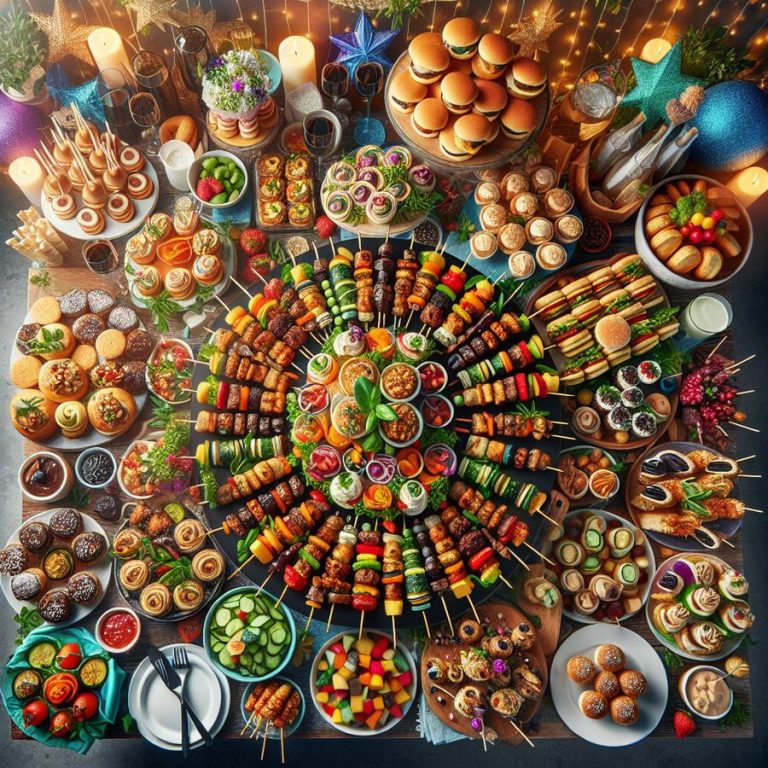
Finger foods remain a crowd favorite for many reasons: they’re easy to eat, minimize the need for utensils, and allow guests to try a variety of items. Ideal for both large and small gatherings—from a food for party of 10 to a bustling food for party of 50 setup—these dishes ensure everyone finds something enjoyable.
- Mini sliders (vegan, chicken, beef, or seafood options)
- Stuffed mushrooms with herbed quinoa or goat cheese
- Caprese skewers with fresh basil, cherry tomatoes, and mozzarella
- Miniature tacos with gluten-free shells and customizable fillings
Portion-controlled bites like these also assist in estimating quantities for your guest list. For example, plan on 6–8 pieces per person for a cocktail-style party, which makes it easy to scale menus whether you’re organizing food for party of 20 or food for party of 30.
DIY Food Stations: Interactive and Inclusive
Do-it-yourself (DIY) stations are not only interactive and fun but also highly accommodating for guests with dietary needs. This style of service is highly versatile—perfect for casual picnics with food for party at the park, or upscale cocktail parties with stylized décor. From build-your-own taco bars to customizable dessert tables, DIY stations invite creativity and let guests control their portions and ingredients.
- Taco Station: Provide tortillas (including gluten-free), proteins (grilled tofu, pulled chicken, fish), and fresh toppings like avocado, slaw, and salsas.
- Dessert Bar: Include mini cupcakes, fresh fruit, dark chocolate fondue, and dairy-free whipped cream.
- Pasta Bar: Offer various sauces (tomato, pesto, vegan cashew cream), and pasta types for full dietary coverage.
- Bowl-building Station: Let guests mix grains, vegetables, proteins, and sauces for hearty, health-forward meals.
Besides the nutritional flexibility, DIY stations reduce food waste by ensuring guests take only what they like. They’re also practical options when sourcing food for party catering or when you’re seeking nearby options (food for party near me) that can deliver modular items for easy setup.
Presentation Matters
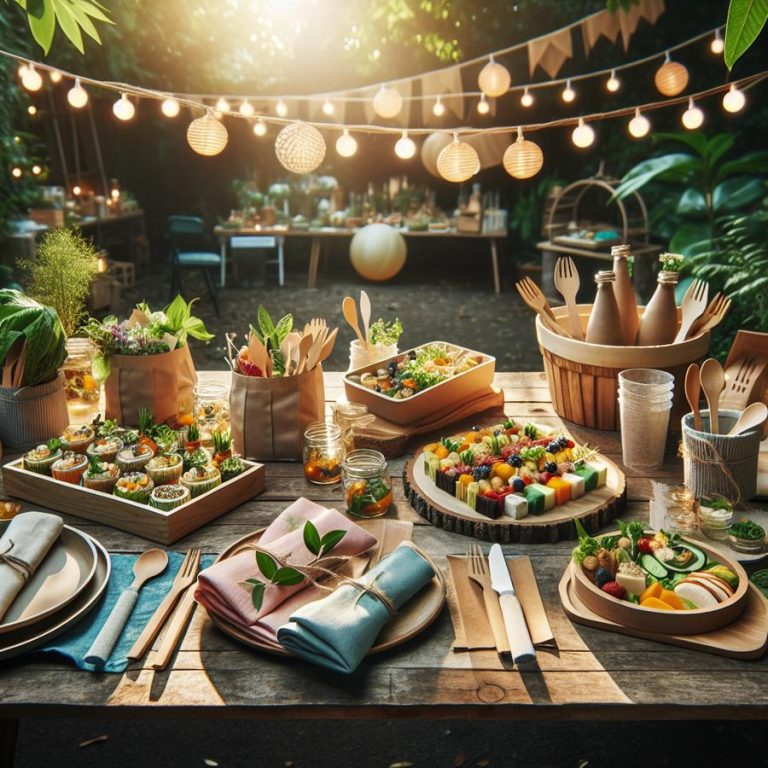
Visual appeal is more than just a luxury—it’s a sign of thoughtful preparation. Consider using tiered serving trays, colorful ceramic platters, or mini cast-iron skillets to enhance the look of your dishes. Labeling ingredients (with dietary symbols where applicable) is a guest-friendly touch, especially for those managing allergies or sensitivities. For outdoor settings or mobile venues like a food for party bus, mason jar servings, bento boxes, and eco-friendly disposables keep things neat and eco-conscious.
Incorporating these innovative food serving styles ensures your guests remember your event for all the right reasons. It improves flow, supports inclusivity, and adds a fun element to food for every kind of party—large or small, formal or casual.
Sustainability and After-Party Tips: Minimizing Waste and Maximizing Enjoyment
Hosting a memorable celebration doesn’t need to come at the cost of the environment. When selecting food for party gatherings—whether it’s a park picnic, a wedding reception, or dinner onboard a party bus—consider how your choices impact waste, energy use, and long-term health goals. The great news? You can be just as festive and flavorful while respecting the planet and simplifying your cleanup.
Many people over-plan when it comes to food for party of 10, 20, or even 50 guests. While it’s tempting to prepare a generous spread “just in case,” leftovers often end up uneaten. Embracing eco-mindful planning not only reduces waste but also makes your event easier to manage and more cost-effective.
Smart Planning Starts Before the First Plate
- Estimate accurate portions: Generally, for a party of 10, plan for 1 to 1.5 pounds of food per guest depending on the length and type of event. For food for party of 50, a set menu with batch-prepared items—like grain salads or skewers—helps minimize overproduction.
- Stick to reusable or compostable serveware: Ditch single-use plastics. Opt for real dishes or compostable alternatives. Local rental companies often offer affordable dishes and utensils for food for party catering needs.
- Label dietary options clearly: Avoid accidental waste by labeling items for allergies (e.g., “gluten-free,” “contains nuts,” “vegan”). This not only keeps everyone safe but also ensures leftovers aren’t bypassed due to uncertainty.
Leftover Love: Storing and Repurposing
Once the guests are gone and the music winds down, you’re faced with the last, often overlooked step—handling food surplus. Whether you hosted food for party at the park or managed a larger food for party of 30 indoors, storing and reusing edible extras helps extend both your budget and nutritional benefits.
- Use airtight containers: Separate perishable versus non-perishable items. Refrigerate cooked meats, dairy-based dishes, and cut fruits/veggies right away to preserve freshness.
- Freeze accordingly: Bulk-freeze soups, cooked grains, or mini sliders in labeled bags for hassle-free weekday lunches.
- Creative repurposing: Turn grilled veggies from a DIY taco bar into next-day omelets or use leftover hummus as sandwich spread. These simple swaps boost convenience and nutrition while reducing trash.
Make Cleanup as Easy as the Hors d’Oeuvres
Spending hours scrubbing after a celebration isn’t ideal. Still, health-conscious and sustainable post-party efforts don’t have to add stress. Try these quick cleanup and green-living strategies:
- Set up separate bins: Label trash, compost, and recycling near food areas so guests can pitch in. An estimated 60% of party cleanup time can be saved this way.
- Partner with local food charities: If your food for party of 20 or more includes unopened packaged goods or untouched trays, contact a nearby food shelter to arrange a pickup or drop-off.
- Opt for biodegradable decor and serving platters: Palm leaf trays, beeswax wraps, and kraft paper surfaces are elegant and earth-friendly alternatives to plastic.
Hosting sustainably means creating joy that outlasts your celebration. Whether you’re choosing catered food for party near me services or crafting the perfect homemade spread, environmentally conscious decisions not only reflect current values—they shape healthier habits for the future. With a bit of mindful planning and creative reuse, your party can delight guests while treading lightly on the planet.
What are the best food options for a party of 50?
For a party of 50, consider balancing variety with versatility. Opt for grazing boards, charcuterie walls, international fusion mini bites, and health-forward menus that cater to different dietary needs. Hiring a food catering service can also ensure ample food with minimal hassle.
How can I accommodate all dietary restrictions at my event?
To accommodate dietary restrictions, offer a range of vegetarian, vegan, gluten-free, and allergy-friendly options. Clearly label each dish to inform guests of its contents, helping them avoid allergens or ingredients contrary to their dietary restrictions.
How much food should I prepare for a party of 20?
For a party of 20, plan for 3 mains, 2 sides, and various finger foods. Offering a small buffet or DIY station can provide flexibility and ensure there’s something for everyone.
What are some creative serving ideas for parties?
Creative serving ideas include finger foods and mini bites for easy eating, as well as DIY food stations like taco bars, dessert tables, or custom salad stations that encourage guest interaction and accommodate diverse tastes and diets.
How can I minimize waste at my party?
Minimize waste by accurately estimating food portions, using reusable or compostable serveware, and clearly labeling dietary options. Plan for leftovers by having storage containers ready for repurposing food and set up separate bins for compost, recycling, and trash to encourage guests to help with waste separation.
Related Posts:
- Chickpea Salad with Feta and Roasted Peppers for Healthy Lunch Ideas for Work
- Ultimate Meal Plan for Boosting Your Immune System
- Eating on a Budget: A Comprehensive Guide and Meal Plan
- Mastering Proper Diet Foods: Your Guide to Optimal Nutrition
- The Ultimate Guide to Choosing the Perfect Food for Any Party