
Beyond Calcium: Why Your Bones Need More than Just One Nutrient
When it comes to maintaining strong, resilient bones, calcium often gets the spotlight. While it’s undeniably vital, focusing solely on calcium overlooks the complex synergy of nutrients required for optimal bone health. To truly nourish bones and joints, your diet must be rich in a wide variety of vitamins, minerals, and proteins—each playing a unique role in supporting the skeletal system throughout life.
Calcium is the primary mineral found in bones, but without the presence of other nutrients, your body may not absorb or utilize it properly. For example, vitamin D acts as a key regulator for calcium absorption in the intestines. Without it, even high calcium intake can be ineffective. Magnesium SUPER, another essential mineral, helps convert vitamin D into its active form and also affects bone density directly.
Nutritional equilibrium is essential. Vitamin K2 is often overlooked but plays a crucial role in guiding calcium to bones instead of soft tissues and arteries. Without enough K2, calcium can accumulate in the wrong places, increasing the risk of arterial stiffness rather than improving bone strength. Meanwhile, trace elements like zinc and phosphorus contribute to bone matrix integrity and repair processes.
Additionally, bone is not just a mineral structure—it’s a living tissue composed of collagen fibers, primarily formed through the intake of adequate protein. A protein-rich diet supports the production of this structural matrix, giving bones flexibility and reducing risk of fractures under stress. Emerging research also highlights the role of healthy fats, particularly omega-3 fatty acids, in curbing inflammation that may affect bone-resorbing cells.
Integrating a wide spectrum of nutrients into daily meals is key. A diet centered around whole foods, including leafy greens, fatty fish, nuts, seeds, lean meats, and fermented dairy, can deliver the comprehensive nourishment your bones need to stay strong and functional over time.
- Prioritize variety: Include a wide range of colored vegetables and protein sources to cover multiple nutrients.
- Mind nutrient synergy: Pair calcium-rich foods with vitamin D and K2 sources for maximum effectiveness.
- Don’t overlook trace minerals: Nuts, seeds, legumes, and whole grains offer magnesium, zinc, and phosphorus.
- Support collagen synthesis: Include vitamin C-rich fruits alongside protein sources to aid in bone matrix formation.
In conclusion, building and maintaining strong bones isn’t just about a glass of milk a day. It requires a well-rounded, intentional diet rich in diverse nutrients that work in concert. Focusing on food good for your bones—beyond just calcium—can help prevent fractures, improve mobility, and support bone and muscle health through every stage of life.
Key Nutrients for Bone Health: Best Food for Your Bones and Joints
When it comes to building and maintaining strong bones, calcium often gets the spotlight. However, bone health depends on a symphony of nutrients working together to nourish the skeleton and support your joints and muscles. To truly choose the best food for your bones and joints, it’s essential to understand the role that various vitamins and minerals play in your diet.
Let’s explore the essential elements your body needs to keep your bones healthy, resilient, and functional throughout every stage of life.
- Calcium: The cornerstone of bone health, calcium makes up the major portion of your bones. The best food for your bones when it comes to calcium includes dairy products like milk, yogurt, and cheese, as well as fortified plant-based alternatives and dark leafy greens such as kale and bok choy.
- Vitamin D: This vitamin is key to enhancing calcium absorption in the gut. Without adequate vitamin D, dietary calcium cannot be fully utilized. Excellent sources include fatty fish like salmon, sardines, fortified foods, and moderate sun exposure.
- Vitamin K2: Often underappreciated, vitamin K2 helps direct calcium to where it belongs—in the bones and not in your arteries. It’s found in fermented foods such as natto, and in smaller amounts in dairy, egg yolks, and certain meats.
- Magnesium: Essential for bone formation and regulating vitamin D. A magnesium deficiency can compromise bone strength. Foods rich in magnesium include almonds, spinach, pumpkin seeds, and black beans.
- Phosphorus: This mineral works with calcium to build structural integrity in bones. It is abundant in protein-rich foods like meat, poultry, fish, dairy, and whole grains. However, too much from processed foods may harm bones.
- Zinc: Needed for bone tissue renewal and mineralization. You can find zinc in foods such as oysters, beef, lentils, and chickpeas.
- Protein: Bones are composed of about 50% protein by volume. Adequate intake supports bone strength and repair. Focus on lean meats, legumes, eggs, dairy, tofu, and quinoa as complete or complementary protein sources.
- Omega-3 Fatty Acids 55: While popularly known for heart health, omega-3s also support bone remodeling and reduce inflammation that can affect bone and joint health. Fatty fish, flaxseeds, chia seeds, and walnuts are top sources.
When choosing healthy food for your bones, it’s critical to think holistically. Relying solely on calcium supplements or a single food group will not nourish your bones adequately. A nutrient-dense, balanced diet filled with the right vitamins and minerals gives your bones what they need for strength, flexibility, and durability over time.
Incorporating a wide variety of these foods good for your bones into your daily meals not only protects against bone density loss but also supports healthy muscles and joints. Your skeleton is a dynamic system—fuel it wisely.
Best Food for Your Bones: Top Choices to Support Bone Strength Daily
Strong and healthy bones require more than just calcium supplements — they thrive on a consistent intake of nutrient-rich, whole foods. Incorporating the right food for your bones into your meals can make a measurable difference in bone density, joint health, and overall musculoskeletal resilience. Below we highlight the most powerful foods for the bones and joints, along with smart ways to work them into your daily routine.
Dairy Products: Rich Source of Calcium and Protein
Dairy is often the first food group that comes to mind when we think of bone health — and for good reason. Milk, yogurt, and cheese provide calcium in a form that is easily absorbed by the body, while also offering high-quality protein to support bone tissue maintenance.
- Start your day with Greek yogurt topped with fresh fruit and seeds.
- Snack on a piece of cheese or a smoothie made with low-fat milk and berries.
- Use plain yogurt as a base for savory dips or salad dressings.
Leafy Greens: Plant-Based Minerals and Vitamins
Leafy green vegetables such as kale, bok choy, collard greens, and arugula are excellent plant sources of calcium, magnesium, and vitamin K — all of which play vital roles in bone mineralization and structural health.
- Add kale or spinach to omelets, smoothies, or stir-fries.
- Include a salad of dark greens with every main meal.
- Try sautéing Swiss chard with garlic and olive oil as a mineral-rich side dish.

Fatty Fish: Omega-3s and Vitamin D
Salmon, sardines, mackerel, and tuna are all exceptional sources of vitamin D and omega-3 fatty acids. Vitamin D enhances calcium absorption, while omega-3s help reduce inflammation, a factor associated with bone breakdown.
- Grill or bake salmon as a hearty dinner option twice a week.
- Add canned sardines to salads or whole-grain crackers for a quick, nutrient-dense lunch.
- Prepare a tuna salad with olive oil and lemon for a bone-healthy snack.
Nuts and Seeds: Dense in Magnesium and Healthy Fats
Almonds, chia seeds, flaxseeds, and sesame seeds deliver magnesium, phosphorus, and healthy fats that support both bones and muscles. These small-but-mighty foods are an easy way to boost the nutrient density of your meals without major changes.
- Throw a tablespoon of ground flaxseeds into smoothies or oatmeal.
- Snack on raw almonds or add them to trail mix for a portable, bone-friendly bite.
- Sprinkle sesame seeds on sautéed greens or grain bowls.
When planning your meals around the best food for your bones, aim for variety and consistency. A combination of animal- and plant-based sources ensures you’re getting not just calcium, but also the complementary nutrients like vitamin K2, magnesium, and protein necessary for long-term skeletal health. Remember, healthy food for your bones isn’t about isolated ingredients — it’s about building a daily pattern that helps keep your bones and joints strong for life.
Foods to Avoid for Healthy Bones: What to Eliminate for Stronger Joints and Muscles
When we talk about food for the bones and joints, the focus is typically on what to eat. However, equally important is understanding which foods and substances can impair bone health. While nutrient-rich foods like leafy greens and dairy are vital, certain common dietary components can silently sabotage your skeletal structure over time. This section dives deep into the worst foods for your bones, explaining how they contribute to bone loss and how they can be minimized in your diet.
Your bones are dynamic tissues that constantly break down and rebuild. An imbalanced diet—high in certain harmful substances—can tilt this balance toward breakdown, weakening bone density and increasing the risk of osteoporosis and fractures. Below are the primary dietary culprits that work against food good for your bones.

- Excess Sugar: High sugar intake leads to increased calcium excretion in urine, diminishing the mineral’s availability for bone remodeling. Moreover, sugary foods often displace more nutrient-dense options, reducing your intake of essential bone-strengthening nutrients like magnesium and vitamin D.
- High Sodium Intake: Salt causes calcium loss through urine. Diets rich in processed foods, canned soups, and salty snacks often exceed the daily recommended sodium intake, contributing to reduced bone mineral density.
- Caffeinated Beverages: While moderate coffee consumption may be acceptable, excessive caffeine intake (especially from sodas or energy drinks) can interfere with calcium absorption, especially in individuals with low dietary calcium.
- Alcohol: Chronic alcohol consumption decreases bone formation and increases the risk of fractures. Alcohol disrupts the body’s ability to absorb calcium and interferes with vitamin D metabolism, both of which are essential for skeletal health.
In addition to these primary offenders, it’s wise to limit highly processed and fast foods. These often combine multiple bone-harming ingredients—sodium, trans fats, sugar—while offering little to no nutritional benefit. While occasional indulgence is not disastrous, habitual consumption can contribute significantly to long-term skeletal damage.
To protect your bone health, consider the following strategies:
- Choose whole foods with minimal processing
- Read nutrition labels to monitor sodium and sugar intake
- Limit alcohol to no more than one drink per day for women and two for men
- Opt for herbal teas or decaffeinated options in place of high-caffeine beverages
- Balance every indulgence with a calcium-rich, healthy food for your bones
Ultimately, food to eat for your bones should support their health—not silently deplete them. By being mindful of these dietary saboteurs, you empower your skeletal system for resilience, mobility, and long-term vitality. Removing or reducing these foods bad for your bones will enhance the benefits of the best food for your bones, allowing your body to absorb and utilize nutrients effectively.
Special Considerations for Different Life Stages: Tailoring Food for Your Bones
Bone health is a lifelong commitment, but our nutritional needs shift significantly depending on our age and life stage. From childhood through the golden years, choosing the right food good for your bones is essential to build, maintain, and protect bone density. Adopting stage-specific strategies helps ensure optimal bone strength and reduces the risk of conditions like osteoporosis, fractures, or joint degeneration.
Here is how to optimize your dietary choices for strong bones and joints throughout different stages of life:
Children and Adolescents: Building the Foundation
Bone mass accumulation occurs most rapidly during growth spurts. During these formative years, ensuring the right balance of nutrients can set the foundation for a lifetime of skeletal health.
- Calcium: Crucial for building strong bones; found in milk, yogurt, fortified plant-based milks, and leafy greens.
- Vitamin D: Enhances calcium absorption. Include sunlight exposure and fortified cereals or fatty fish like salmon.
- Physical activity: Encourage high-impact weight-bearing exercise (e.g., jumping, playing tag).
Adults: Maintaining Peak Bone Mass
In adulthood, particularly in our 20s and 30s, the goal is to preserve the bone mass established in youth. Poor food choices or sedentary lifestyles can trigger gradual decline.
- Consume a balanced intake of magnesium, zinc, and vitamin K2—nutrients often overlooked in the standard diet.
- Include protein-rich foods like eggs, legumes, and lean meats essential for muscle and bone synergy.
- Stay active with load-bearing exercises such as walking, running, or strength training.
Pregnant and Breastfeeding Women: Supporting Two Skeletons
During pregnancy and lactation, a woman’s nutrient demands increase to support the developing skeleton of the fetus or infant without compromising her own bone density.
- Increase dietary calcium and phosphorus intake through dairy, sardines (with bones), and fortified options.
- Ensure daily intake of folate, protein, and vitamin D.
- Work with a healthcare provider to prevent bone loss through tailored supplementation if dietary intake is insufficient.
Older Adults: Preventing Bone Loss
After age 50, bone resorption starts to outpace formation, especially in postmenopausal women. At this stage, targeted nutrition and lifestyle adjustments become paramount in preserving bone and joint function.
- Calcium intake becomes even more critical—look to dairy, almonds, and leafy vegetables like kale.
- Boost vitamin D through supplements and moderate sun exposure to reduce fall-related fractures.
- Choose anti-inflammatory foods, including omega-3-rich sources like flaxseed, walnuts, and fatty fish to support joint health.
Catering your nutrition to the evolving needs of your bones at each life stage ensures that your skeletal framework remains as strong and resilient as possible. Whether you’re focusing on childhood bone-building or looking to prevent age-related loss, the best food for your bones and joints is one that adapts to your changing biology.
Lifestyle Factors Influencing Bone Health: Beyond Food for Your Bones
While consuming food good for your bones is essential, diet alone isn’t enough to maintain a strong and resilient skeletal system. Your daily habits profoundly influence your bone density, strength, and long-term health. Lifestyle choices—such as physical activity, sun exposure, quality sleep, and avoiding substances that interfere with nutrient absorption—complement dietary strategies for optimal bone support. Understanding how these factors interplay can help you build a foundation for lifelong bone wellness.
Physical activity is one of the most powerful lifestyle tools to enhance bone strength. Weight-bearing exercises like walking, jogging, dancing, and strength training stimulate osteoblasts—the cells responsible for forming new bone tissue. These movements create mechanical stress that signals your body to boost bone formation, especially in areas supporting your body weight such as hips, spine, and legs.

Equally important is maintaining a balanced body weight. Being underweight can increase the risk of osteoporosis, especially in women, by affecting hormone levels such as estrogen, which is critical for bone maintenance. On the other hand, being overweight can exert excess pressure on joints and lead to inflammation that may adversely affect bones and connective tissues. Striking a healthy weight range supports both mobility and bone structure.
Another crucial factor is sufficient sun exposure to support vitamin D synthesis. Vitamin D is essential for calcium absorption, one of the primary minerals in bone formation. Aim for moderate sun exposure—about 10–30 minutes several times a week, depending on your skin tone and location—to enhance your body’s natural vitamin D production. In colder climates or winter months, supplementation or vitamin D-rich foods become especially important.
Conversely, certain lifestyle habits can hinder bone health. Some of the worst habits for your bones include:
- Smoking: Tobacco interferes with calcium absorption and reduces blood flow to bones, weakening bone mass.
- Excessive alcohol intake: Alcohol disrupts the balance of calcium and vitamin D in the body, impairs bone-forming cells, and increases the risk of falls.
- Chronic stress: Long-term high cortisol levels can lead to decreased bone density over time.
- Sedentary lifestyle: Lack of movement reduces mechanical stimulation to bones, encouraging bone loss.
Additionally, prioritizing quality sleep plays a supportive role. During sleep, bone regeneration and hormonal cycles—particularly those involving growth hormone—are most active. Chronic sleep deprivation has been linked to impaired bone metabolism and higher risk of fractures in older adults.
In summary, ensuring that your lifestyle aligns with bone-friendly behaviors is just as crucial as choosing the right healthy food for your bones. By integrating regular exercise, mindful sunlight exposure, good sleep, and avoidance of harmful habits, you optimize not only the skeletal benefits of your diet but also amplify your body’s natural ability to build and maintain strong bones and joints.
Your Bone Health Action Plan: Best Food for Your Bones and Joints
Supporting strong and resilient bones throughout life involves more than simply adding calcium to your meal plan. This final section distills the key principles of bone nutrition into a practical and strategic action plan anyone can follow. Whether you’re looking to prevent osteoporosis or simply maintain optimal skeletal health, these nutritional strategies and lifestyle tips will help you stay on track.
Step 1: Build a Balanced Bone-Focused Plate
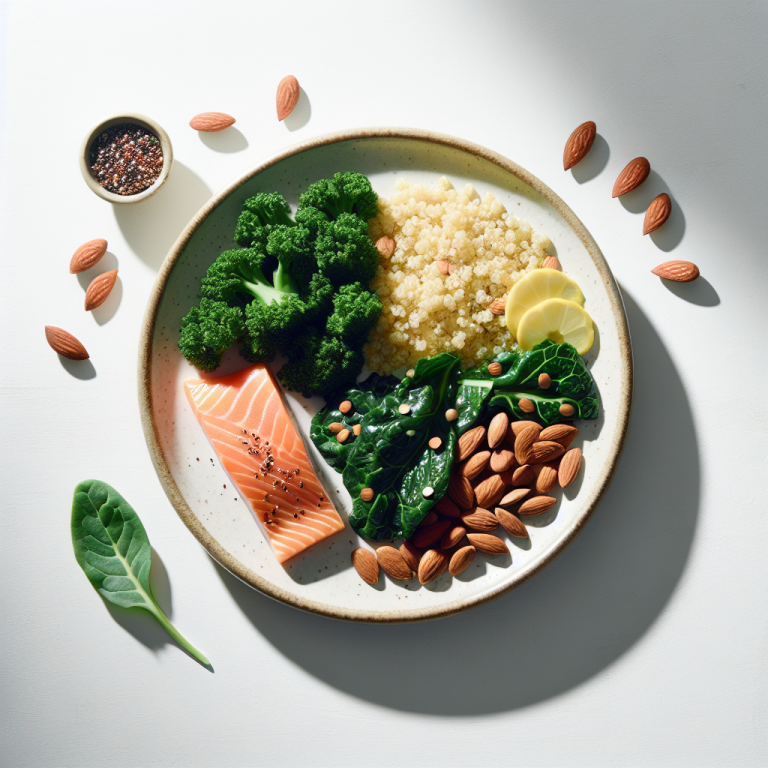
A balanced diet that includes the best food for your bones and joints ensures you receive the full spectrum of nutrients needed for bone remodeling and density. Aim for daily intake from the following categories:
- Dairy or fortified alternatives (milk, yogurt, cheese, plant-based milks): Rich in calcium and often fortified with vitamin D.
- Leafy greens (spinach, kale, bok choy): Provide calcium, vitamin K, and magnesium.
- Fatty fish (salmon, sardines, mackerel): Excellent sources of vitamin D and omega-3 fatty acids.
- Nuts and seeds (almonds, chia, sesame): Contain magnesium and phosphorus important for bone matrix support.
- Legumes and whole grains: Offer minerals like zinc and contribute to a balanced, anti-inflammatory diet.
Step 2: Incorporate Bone-Friendly Habits
- Consistency: Spread calcium-rich foods throughout the day instead of consuming large amounts at once.
- Vitamin synergy: Pair vitamin D with calcium for better absorption (e.g., scrambled eggs with leafy greens).
- Hydration: Adequate fluid intake aids in nutrient transport and metabolic regulation.
- Limit foods harmful to bone health: Reduce consumption of foods high in added sugar, sodium, and caffeine, all known as foods bad for bones.
Step 3: Weekly Bone-Health Meal Strategy
Planning meals helps you consistently eat healthy food for your bones. Here’s an example weekly meal strategy:
- Breakfasts: Greek yogurt with chia seeds and berries; fortified oatmeal with almond butter.
- Lunches: Canned salmon salad with spinach and walnuts; lentil soup with kale and whole-grain toast.
- Dinners: Grilled mackerel with quinoa and steamed bok choy; tofu stir fry with tahini dressing and broccoli.
- Snacks: Low-sodium roasted almonds, edamame, cheese sticks, or dried figs.
FAQs: Food for the Bones and Muscles
Q: Can I get enough calcium without dairy?
A: Yes. Many non-dairy sources like fortified plant milks, tofu, sesame seeds, and leafy greens are excellent alternatives.
Q: How can I know if my diet supports bone health?
A: Track nutrient intake using dietary apps, consult a nutritionist, or consider blood tests for vitamin D, calcium, and other markers.
Q: What are the worst foods for your bones?
A: Processed foods high in salt, excessive caffeine, sugary sodas, and heavy alcohol intake can impair calcium absorption and bone density.
Your bone health is a long-term investment. By making informed dietary choices and consistently targeting food good for your bones, you can significantly improve your skeletal strength and prevent age-related decline. Align your meals and habits with the needs of your joints, muscles, and bones—your body will thank you for decades to come.
Can I get enough calcium without dairy?
Yes, many non-dairy sources such as fortified plant milks, tofu, sesame seeds, and leafy greens like kale and collard greens offer excellent alternatives to meet your calcium needs.
How do vitamin D and magnesium contribute to bone health?
Vitamin D enhances calcium absorption in the gut, while magnesium helps convert vitamin D into its active form in the body, both crucial for optimal bone density and health.
What are the best food sources of omega-3 fatty acids for bone health?
Fatty fish like salmon, mackerel, and sardines, as well as plant-based sources like flaxseeds, chia seeds, and walnuts, are excellent for providing omega-3 fatty acids, which support bone health by reducing inflammation.
How can a sedentary lifestyle impact bone health?
A sedentary lifestyle can lead to weaker bones as physical activity, especially weight-bearing exercises, is essential for stimulating bone growth and maintaining bone density.
What are the worst foods for your bones?
Foods high in salt, sugary snacks and drinks, excessive caffeine, and alcohol can harm bone health by impairing calcium absorption, promoting calcium loss, or interfering with bone remodelling processes.