

The Foundations of Gut Health
A well-balanced gut is one of the most powerful determinants of overall health. Often referred to as the “second brain,” the gut plays a pivotal role not only in digestion but also in regulating immune function, hormonal balance, and even emotional health. At the heart of the gut’s complexity lies the gut microbiome—a dynamic community of trillions of microorganisms including bacteria, fungi, and viruses that reside in the digestive tract and interact with nearly every system in the body.
A diverse, balanced microbiome is essential for maintaining optimal health. When in harmony, these microbes help us break down food, synthesize key vitamins like vitamin K and certain B vitamins, mitigate inflammation, guard against pathogens, and support efficient metabolism. However, factors such as poor diet, stress, environmental toxins, medication overuse (especially antibiotics), and lack of physical activity can disrupt this balance—leading to dysbiosis, a term for microbial imbalance thought to contribute to a wide range of conditions, from irritable bowel syndrome (IBS) to allergies, autoimmune diseases, obesity, and mood disorders like anxiety and depression.
Research increasingly points to a bidirectional communication channel between the gut and the brain, often called the gut-brain axis. This neural network, along with hormonal and immune signaling, transmits messages from the gut microbiota to the central nervous system. Remarkably, a large proportion of the body’s serotonin—commonly known as the “feel-good hormone”—is produced in the gastrointestinal tract, illustrating the profound role gut health plays in mental well-being.
One of the most effective ways to support a vibrant gut microbiome is through dietary and lifestyle choices—chief among them, the regular consumption of fermented foods. These naturally probiotics-rich foods are made through a microbial process involving the conversion of sugars and starches into lactic acid, acetic acid, or alcohol by beneficial bacteria and yeasts. The fermentation process not only preserves the food but enhances its nutritional profile, flavor complexity, and most importantly, its capacity to populate the gut with beneficial microbes.

Adding fermented foods into the daily dietary framework can introduce a variety of beneficial live cultures (commonly referred to as probiotics), improve microbiome diversity, and promote an overall ecosystem favorable to health. Some well-studied probiotics strains—such as Lactobacillus, Bifidobacterium, and Saccharomyces boulardii—can enhance gut barrier integrity, lower intestinal inflammation, and combat harmful bacteria like Clostridium difficile.
The benefits of fermented foods extend across multiple systems in the body:
- Digestive Health: Fermented foods aid in breaking down food molecules, making them easier to digest and reducing the risk of constipation, bloating, and gas. Some, like kefir or sauerkraut, also contain digestive enzymes that further support this process.
- Immune Support: Over 70% of the immune system resides in the gut-associated lymphoid tissue. A well-nourished gut helps modulate immune responses, reducing susceptibility to colds, flu, and chronic inflammation.
- Weight Regulation: A balanced microbiome contributes to metabolic regulation, helping to control appetite and reduce systemic inflammation associated with weight gain and insulin resistance.
- Mental Health Benefits: Probiotic-rich diets are correlated with lower rates of anxiety, depression, and mood disorders, possibly due to improved neurotransmitter function and reduced inflammatory cytokines.
- Nutrient Absorption: Fermentation can enhance the bioavailability of nutrients such as iron, magnesium, and zinc, making them easier for the body to absorb and utilize.
It is important to distinguish between live fermented foods and pasteurized products. For fermented foods to exert their probiotic benefit, the microorganisms must remain alive at the time of consumption. Many commercial versions of yogurt, pickles, or sauerkraut have undergone heat treatment during processing, which kills off the beneficial bacteria. Look for labels that indicate “live active cultures” or choose artisanal, traditionally fermented options from the refrigeration section.
Moreover, recent studies suggest that a diet incorporating fermented foods may help reduce systemic inflammation at the cellular level. A 2021 study published in Cell found that participants who consumed a diet rich in fermented foods experienced increased microbiota diversity and a reduction in markers of inflammation, including interleukin-6 (IL-6) and tumor necrosis factor-alpha (TNF-α)—two cytokines commonly elevated in chronic disease states.
It’s important to emphasize that fermented foods contribute to but are not the sole determinant of gut health. A holistic approach—one that includes a fiber-rich diet (to feed the gut’s existing beneficial bacteria), adequate hydration, stress management, regular movement, and minimized exposure to processed foods—works synergistically to foster a thriving microbiome.
In summary, the digestive system is intricately connected to broad aspects of health through the activities of the microbiome. Fermented foods serve as an accessible, natural means to introduce beneficial microbes and enhance gut ecosystem diversity. When included regularly in the diet, these foods can promote not only digestive ease but also support vital functions that underpin immunity, mood, and chronic disease prevention. Understanding and cultivating gut health—with an emphasis on fermentation—is essential for anyone seeking to optimize their well-being through nutrition.
Top Fermented Foods for Gut Health
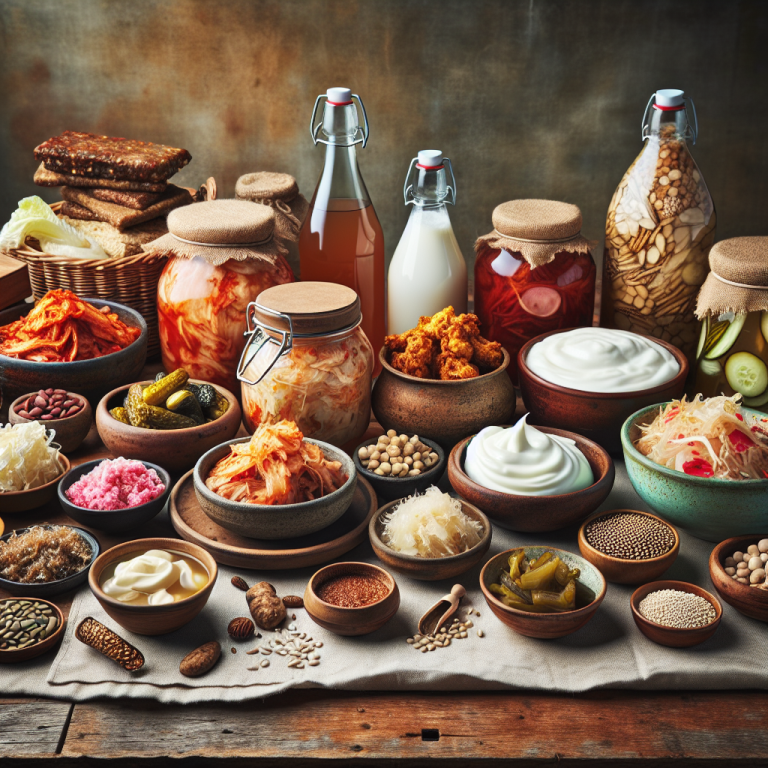
Fermented foods have been consumed across cultures for centuries, not just for their flavor and preservation qualities, but also for their considerable health benefits. In recent years, scientific research has brought renewed attention to these traditional foods, especially for their role in supporting a healthy gut microbiome. The natural fermentation process encourages the growth of beneficial bacteria—probiotics—which can enhance digestion, boost immunity, support weight management, and promote overall wellness. Below, we explore some of the most effective fermented foods you can include in your daily routine to strengthen your gut health.
1. Yogurt
Yogurt is one of the most widely consumed fermented dairy products and is rich in live bacterial cultures, particularly Lactobacillus and Bifidobacterium. These probiotics help balance the intestinal flora, relieve constipation, and aid in digestive comfort. Consuming plain, unsweetened yogurt made with raw or organic milk maximizes the microbial benefits without unnecessary additives or sugars, which can disrupt gut harmony.
- Health Benefits: Supports immune response, enhances nutrient absorption, soothes irritable bowel symptoms.
- Tip: Add to smoothies, use in place of sour cream, or enjoy with berries and ground flaxseed for a fiber-rich breakfast.
2. Kefir
Kefir is a fermented milk drink with a thinner consistency than yogurt but a wider range of probiotic strains. Often described as a drinkable probiotic powerhouse, kefir contains up to 30 different types of beneficial bacteria and yeasts, including Saccharomyces kefir and Lactobacillus kefiranofaciens. Studies show kefir promotes improved gut permeability, making it an excellent choice for healing the gut lining and managing conditions like leaky gut or chronic inflammation.
- Health Benefits: Improves lactose digestion, supports microbiome diversity, reduces inflammation.
- Tip: Start with a small glass in the morning before meals to allow probiotics to populate the gut gradually.

3. Sauerkraut
Made from finely shredded cabbage that has been fermented by lactic acid bacteria, sauerkraut is more than just a tangy hot dog topping. Unpasteurized sauerkraut is teeming with probiotics and also rich in vitamin C, vitamin K, and dietary fiber. These nutrients support immune functions and digestive efficiency, while the fiber acts as a prebiotic to nourish the lining of the intestines.
- Health Benefits: Enhances digestion, modulates the immune system, reduces bloating, and facilitates detoxification.
- Tip: Choose refrigerated, raw sauerkraut without vinegar, as pasteurization kills beneficial bacteria.
4. Kimchi
A staple in Korean cuisine, kimchi is made from fermented vegetables—most commonly napa cabbage and radish—and seasoned with garlic, ginger, and chili. Its fermentation process produces beneficial microbes like Lactobacillus plantarum and Leuconostoc mesenteroides. These strains have been shown to reduce inflammation, combat pathogens in the gut, and support weight management through improved metabolic functions.
- Health Benefits: Supports immunity, reduces fat storage, helps regulate bowel movements.
- Tip: Enjoy as a condiment alongside scrambled eggs, stir-fries, or grain bowls for a flavorful probiotic boost.
5. Tempeh
Originating from Indonesia, tempeh is a fermented soybean product with a firm texture and nutty flavor. Unlike many fermented foods, tempeh is also a rich source of plant-based protein and vitamin B12—a nutrient usually found in animal sources. Its fermentation process breaks down phytic acid, which helps improve the bioavailability of key minerals like iron and zinc. Tempeh also contains prebiotics to further support microbial diversity.
- Health Benefits: Promotes satiety, reduces cholesterol, supports weight loss, improves gut motility.
- Tip: Sauté with garlic and tamari, crumble into tacos, or bake into a meat-free protein bowl.
6. Miso
Miso is a salty soy-based paste commonly used in Japanese cuisine. It is fermented using a starter culture called koji (Aspergillus oryzae), resulting in a complex source of probiotics and enzymes that aid digestion. Though rich in sodium, miso can be used in moderation to benefit gut health while also adding umami flavor to a variety of dishes.
- Health Benefits: Enhances enzyme activity, assists with nutrient absorption, supports gastric health.
- Tip: Stir into warm (not boiling) water or broth to preserve its living cultures and nutrients.
7. Kombucha
Kombucha is a fizzy, slightly tangy tea created by fermenting sweetened black or green tea with a symbiotic culture of bacteria and yeast, known as a SCOBY. Its carbonation and flavor make it a popular alternative to sugary sodas. Kombucha contains various strains of yeast and acetic acid bacteria that offer antimicrobial and antioxidant benefits. However, commercial brands often vary in probiotic potency and may include added sugars, so it’s best to consume in moderation or brew your own.
- Health Benefits: Aids detoxification, boosts energy, supports liver function, and contributes to microbial balance.
- Tip: Drink a small glass (4–8 oz) between meals to enjoy its digestive effects without overwhelming your system with sugar.
Making Fermented Foods a Habit
While each of these fermented foods provides a unique constellation of health-promoting microbes and nutrients, the greatest benefits come from variety and consistency. Including a mix of dairy- and plant-based options ensures exposure to a wider array of probiotic strains and digestive enzymes. When starting out, it’s essential to introduce fermented foods slowly, especially if your gut is adjusting from a high-sugar or low-fiber diet.
As part of a broader gut health strategy, fermented foods should be paired with a high-fiber, plant-rich diet, quality sleep, hydration, and regular physical activity. These elements work synergistically to create an internal environment where healthy microbes can flourish and support every system in your body—from metabolism to mental health.
Incorporating Fermented Foods into Your Diet
Integrating fermented foods into your daily diet can play a transformative role in maintaining and improving gut health. These foods are rich in probiotics—beneficial bacteria that can help balance the gut microbiome, enhance digestion, reduce inflammation, and support immune function. When approached thoughtfully, the addition of fermented foods can bring noticeable improvements to energy levels, mood, and digestive regularity.
However, for individuals new to fermented foods, the introduction of these probiotic-rich items should be gradual and intentional. Doing so not only helps your digestive system adapt but also allows you to observe and appreciate the changes that come with rebalancing your gut flora.
Start Slow and Build Gradually
One of the most common mistakes when beginning to eat fermented foods is consuming too much too quickly. A sudden influx of probiotics can overwhelm your gut, leading to temporary symptoms like bloating, gas, or mild cramping. To avoid this, it’s best to start with small portions and slowly increase frequency and quantity over time.
- Begin with 1 to 2 tablespoons of foods like sauerkraut or kimchi per meal.
- Start with half a serving of fermented drinks such as kefir or kombucha before progressing to a full glass.
- Observe how your body responds over a few days before increasing intake.
Optimal Frequency for Maximum Benefit
For lasting results, fermented foods should become a consistent part of your diet, rather than an occasional supplement. Daily intake can offer continuous support to the microbiome by replenishing and sustaining beneficial bacteria.
- Aim to include at least one serving of fermented food per day for maintenance.
- For digestive healing, multiple small servings throughout the day may be more beneficial.
- Rotate different forms of ferments—like dairy, vegetables, grains, and beverages—to promote microbial diversity.
Variety is essential. Incorporating a range of fermented foods ensures exposure to different strains of lactobacilli, bifidobacteria, and more, all of which contribute differently to gut health and immune modulation.
Maintaining Gut Health After Antibiotic Use
Antibiotics can disrupt the gut microbiome by inadvertently killing both harmful and helpful bacteria. Post-antibiotic recovery is a critical time to prioritize microbial diversity and resilience through targeted nutrition. Rebuilding the gut through fermented foods can minimize long-term impacts and reduce susceptibility to future infections.
- Begin incorporating fermented foods within 48 hours after completing antibiotics, unless otherwise directed by a physician.
- Yogurt and kefir made with live active cultures are particularly beneficial during this period.
- Consider pairing fermented foods with prebiotic-rich options like bananas, oats, and asparagus to nourish new bacteria.
- Avoid processed sugars and alcohol, which can hinder microbial recovery.
During this time, maintaining hydration, reducing stress, and ensuring restful sleep also assist in restoring gut function and symbiosis.
Combatting Constipation and Bloating
Constipation and bloating are two of the most common indications of gut dysbiosis and sluggish digestion. Fermented foods offer both direct and indirect relief through their probiotic content and by stimulating natural digestive enzymes.
- Kefir and
can help regulate bowel movements by improving gut transit time. - Sauerkraut and kimchi, rich in fiber and live cultures, stimulate peristalsis and improve waste elimination.
- Miso soup taken before meals can promote enzymatic priming and reduce post-meal bloating.
- Avoid overconsumption, especially in early stages, as too much fermented food might temporarily increase bloating until the gut adjusts.
Maintaining a balance between hydration, activity levels, and diet composition is key when using fermented foods to address digestive issues. Eliminating trigger foods (like excess dairy or processed carbohydrates) may also enhance their effectiveness.
Practical Tips for Daily Integration
Fermented foods can seamlessly become part of everyday life with a few strategic choices. You don’t need to prepare elaborate meals—many fermented foods are easy to incorporate into your current routine.
- Swap regular yogurt with unsweetened kefir or Greek yogurt at breakfast.
- Add a tablespoon of sauerkraut or kimchi as a flavorful condiment to lunch or dinner plates.
- Use miso paste in dressings, soups, or marinades to boost umami flavor and probiotic value.
- Drink a small glass of kombucha in the afternoon to substitute sugary drinks or as an alternative to coffee.
- Incorporate fermented vegetables like pickled beets or carrots into salads or grain bowls.
When shopping, always look for products labeled “unpasteurized” or “contains live cultures,” since pasteurization kills beneficial bacteria. Many commercial pickles and fermented items are shelf-stable because they’ve been heat-treated and therefore do not offer probiotic advantages.
Homemade vs. Store-Bought Options
While high-quality, refrigerated fermented products are available in most grocery stores today, homemade fermentation allows for greater control of ingredients, strains, and flavor. It’s also cost-effective and can be a fulfilling culinary practice for enthusiasts.
- Homemade sauerkraut requires just cabbage and salt and can be ready in 1–2 weeks.
- Milk kefir grains can be reused indefinitely and ferment in under 24 hours.
- Sourdough starters can be used for baking gut-friendly bread with lower gluten content and better digestibility.
Whether homemade or purchased, the most important element is consistency. Small, regular servings of fermented foods deliver continual support to the microbiome, helping maintain digestive function, immune readiness, metabolic balance, and mental clarity.
As with any dietary change, always consider personal health conditions, allergies, and consult your healthcare provider—especially if you are immunocompromised or managing autoimmune issues. Fermented foods are a powerful tool, but one part of a holistic, balanced dietary approach to wellness.
Frequently Asked Questions
What are the best fermented foods for gut health?
Top fermented foods for gut health include yogurt, kefir, sauerkraut, kimchi, tempeh, miso, and kombucha. These foods are rich in probiotics that support a healthy gut microbiome.
How can fermented foods help in weight loss?
Fermented foods can aid in weight loss by improving digestion, enhancing nutrient absorption, and regulating appetite through the gut-brain axis, thus contributing to a balanced microbiome and reduced inflammation.
Can fermented foods help with constipation?
Yes, fermented foods like kefir and probiotic-rich yogurt can help regulate bowel movements by improving gut transit time, stimulating peristalsis, and supporting overall digestive health.
Are there fermented foods suitable for dogs?
Yes, certain fermented foods can be beneficial for dogs, including small amounts of plain, unsweetened kefir or yogurt. Always consult with a veterinarian before introducing new foods into your dog’s diet.
How should I start incorporating fermented foods into my diet?
Begin slowly by introducing small amounts of fermented foods into your diet, such as 1-2 tablespoons of sauerkraut or a half serving of kefir, and gradually increase as your body adjusts to prevent bloating or gas.