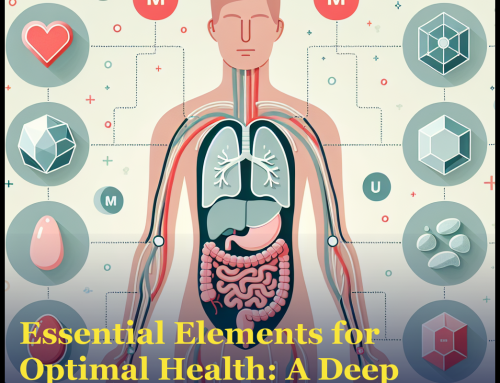

Vitamins are essential micronutrients that play a critical role in maintaining health and supporting normal physiological functions. Unlike carbohydrates, proteins, and fats—which are macronutrients used for energy—vitamins are required in small amounts but are vital for a range of metabolic and cellular processes. The human body cannot synthesize most vitamins (or cannot do so in sufficient quantities), making it necessary to obtain them through diet or, in some cases, supplementation.
There are 13 essential vitamins recognized by health authorities, each serving a distinct purpose in the body. These include vitamins A, C, D, E, K, and the eight B vitamins (B1 through B12). A well-balanced intake of these vitamins helps support immunity, vision, bone health, nervous system function, tissue repair, and energy production. Deficiencies in vitamins can lead to a wide range of health issues, from minor fatigue to severe diseases like scurvy, rickets, or neurological disorders.
Vitamins are traditionally categorized into two main classifications based on how they dissolve and are stored in the body: fat-soluble and water-soluble vitamins. This classification not only affects how the body absorbs and utilizes these nutrients but also influences how they are excreted and the potential risks of overdose or deficiency.
Fat-Soluble Vitamins
Fat-soluble vitamins include Vitamins A, D, E, and K. These vitamins dissolve in dietary fat and are absorbed through the intestinal tract with the assistance of lipids (fats). Once absorbed, they are stored in the liver and fatty tissues for future use, which means they do not need to be consumed every day if consumed in sufficient amounts periodically. However, because of their storage properties, excessive intake of fat-soluble vitamins through supplements or fortified foods can lead to toxicity.
- Vitamin A supports vision, immune function, and skin health.
- Vitamin D regulates calcium and phosphate metabolism, critical for healthy bones and teeth.
- Vitamin E acts as a powerful antioxidant, protecting cells from oxidative stress.
- Vitamin K is essential for blood clotting and bone metabolism.
Water-Soluble Vitamins
Water-soluble vitamins include Vitamin C and the B-complex vitamins: B1 (Thiamine), B2 (Riboflavin), B3 (Niacin), B5 (Pantothenic Acid), B6 (Pyridoxine), B7 (Biotin), B9 (Folate), and B12 (Cobalamin). These vitamins dissolve in water and are not easily stored in the body, which means that excess amounts are typically excreted through urine. As a result, consistent daily intake is necessary to maintain adequate levels and prevent deficiency.
Water-soluble vitamins are involved in a wide range of biochemical processes, including energy metabolism, red blood cell formation, nervous system maintenance, and collagen synthesis.
- Vitamin C supports the immune system, aids in collagen production, and improves iron absorption.
- Vitamin B1 (Thiamine) helps convert nutrients into energy and supports nerve function.
- Vitamin B2 (Riboflavin) is involved in energy production and skin health.
- Vitamin B3 (Niacin) aids metabolism and supports cardiovascular health.
- Vitamin B5 (Pantothenic Acid) is essential for synthesizing coenzymes and metabolizing fats.
- Vitamin B6 (Pyridoxine) facilitates amino acid metabolism and red blood cell production.
- Vitamin B7 (Biotin) supports healthy hair, skin, and nails, also crucial for enzyme activity.
- Vitamin B9 (Folate/Folic Acid) is vital during pregnancy for preventing neural tube defects.
- Vitamin B12 (Cobalamin) is key for neurological function and DNA synthesis.
Why Vitamins Matter
In an age of convenience-centric diets and food processing, it’s becoming increasingly common for individuals to under-consume essential micronutrients. Even with an adequate calorie intake, it is possible to develop marginal vitamin deficiencies or suboptimal nutrient status. These imbalances can have subtle yet significant effects on energy, mood, metabolic efficiency, and long-term health outcomes such as cognition and cardiovascular disease.
For example, a mild yet chronic deficiency in Vitamin D can contribute to weakened bones and increased risk of fractures, especially in older adults. In contrast, insufficient Vitamin B12 is linked to memory impairment, neurological changes, and even irreversible nerve damage if left untreated.
Regular consumption of vitamin-rich whole foods like fruits, vegetables, lean proteins, whole grains, nuts, and seeds is the most effective way to maintain adequate vitamin levels. While supplements may be necessary or beneficial for specific individuals—such as those with malabsorption disorders, pregnant women, elderly adults, or individuals with restricted diets—nutrition professionals universally agree that food remains the preferred source wherever possible.
How Vitamins Work with the Body
Each vitamin has unique pathways and biological roles, but they often act synergistically. For instance, Vitamin D facilitates calcium absorption, and Vitamin K ensures that calcium is directed to bones rather than blood vessels. Similarly, B vitamins often work as coenzymes—compounds required by enzymes to catalyze biochemical reactions essential for life. This interdependent nature of vitamins highlights the importance of consuming a variety of nutrients instead of focusing narrowly on one or two.
Additionally, vitamins play a preventive and therapeutic role in several non-communicable diseases. Antioxidative vitamins like Vitamin C and E help reduce oxidative stress, which contributes to chronic inflammation, aging, and diseases such as atherosclerosis and cancer. Neuroprotective vitamins like B6, B12, and Folate help combat cognitive decline and support emotional well-being.
Modern Dietary Patterns and Vitamin Gaps
Despite the availability of nutrient-rich foods, many modern dietary patterns—including highly processed and fast-food-heavy diets—tend to be calorie-rich but micronutrient-poor. Skipping meals, low vegetable intake, and increased reliance on convenience foods are common patterns contributing to vitamin inadequacies. At the same time, extreme dietary approaches—like low-fat or fad diets—may unintentionally reduce the intake or absorption of fat-soluble vitamins, further compounding the risk.
In response, global public health agencies continue to reinforce the importance of dietary diversity and balance. Food fortification policies and targeted supplementation programs (such as folic acid during pregnancy or Vitamin A supplementation for children in developing regions) are just a few examples of interventions that address population-wide vitamin needs.
Conclusion
Understanding the fundamental roles of vitamins, how they are classified, and why they matter is the cornerstone of optimal dietary planning. Whether you’re looking to improve your daily energy levels, support long-term brain health, or reduce your risk for chronic disease, prioritizing vitamin-rich foods is a science-backed strategy. As we’ll explore in the next sections, knowing not only what each vitamin does but also where to find it—whether in food or supplement form—can empower you to make choices that support a vibrant and healthy life.
Vitamin Chart Overview
Vitamins are essential organic compounds that play vital roles in maintaining the normal function of our body. From energy production and immunity to skin health and bone development, each vitamin helps regulate a variety of physiological processes. In this section, we provide a comprehensive overview of vitamins from A to K. Our goal is to make this information accessible for all readers, including educational use for Class 6 to Class 7 levels, by outlining the natural sources and functions of each vitamin in an easy-to-understand yet scientifically accurate way.
Vitamins are generally divided into two main groups based on how they dissolve and are stored in the body:
- Fat-soluble vitamins – These include Vitamins A, D, E, and K. They dissolve in fat and can be stored in the liver and fatty tissue for later use.
- Water-soluble vitamins – These include Vitamin C and the B-complex group (such as B1, B2, B3, B5, B6, B7, B9, and B12). These are not stored in the body and must be replenished regularly through diet.
Let’s explore a detailed vitamin chart that outlines the essential vitamins, their primary food sources, and their main roles in the body:
| Vitamin | Type | Natural Sources | Main Functions |
|---|---|---|---|
| Vitamin A | Fat-soluble | Carrots, sweet potatoes, spinach, liver, dairy | Supports vision, immune system, and skin health |
| Vitamin B1 (Thiamine) | Water-soluble | Whole grains, legumes, nuts, pork | Helps convert food into energy, supports nerve function |
| Vitamin B2 (Riboflavin) | Water-soluble | Eggs, milk, green vegetables, almonds | Energy production, skin and eye health |
| Vitamin B3 (Niacin) | Water-soluble | Poultry, fish, whole grains, legumes | Supports metabolism and digestive system |
| Vitamin B5 (Pantothenic Acid) | Water-soluble | Mushrooms, avocados, broccoli, eggs | Essential for fatty acid synthesis and energy metabolism |
| Vitamin B6 (Pyridoxine) | Water-soluble | Bananas, potatoes, chicken, fortified cereals | Aids in amino acid metabolism and red blood cell production |
| Vitamin B7 (Biotin) | Water-soluble | Egg yolks, nuts, seeds, cauliflower | Supports healthy hair, skin, nails, and metabolic function |
| Vitamin B9 (Folate/Folic Acid) | Water-soluble | Leafy greens, citrus fruits, beans, fortified grains | Essential for DNA synthesis, important during pregnancy |
| Vitamin B12 (Cobalamin) | Water-soluble | Meat, fish, dairy, eggs, fortified cereals | Important for nerve function and red blood cell formation |
| Vitamin C (Ascorbic Acid) | Water-soluble | Citrus fruits, tomatoes, bell peppers, strawberries | Boosts immunity, antioxidant properties, helps in collagen formation |
| Vitamin D | Fat-soluble | Sunlight, fortified milk, fatty fish, egg yolks | Promotes calcium absorption for healthy bones |
| Vitamin E | Fat-soluble | Sunflower seeds, almonds, spinach, vegetable oils | Acts as an antioxidant, protects cell membranes |
| Vitamin K | Fat-soluble | Leafy greens, broccoli, Brussels sprouts, dairy | Helps with blood clotting and bone health |

From the table above, it’s clear that a well-balanced diet including a variety of fruits, vegetables, whole grains, meats, and dairy provides a rich source of all essential vitamins. Each vitamin plays a unique function, and deficiencies can lead to specific disorders. For example, a deficiency in Vitamin D may cause rickets in children, whereas inadequate Vitamin C intake may result in scurvy.
It’s also important to understand that overconsumption of certain vitamins, particularly fat-soluble vitamins, can lead to toxicity. This is why moderation and variety in food intake are essential. For young learners and adolescents (such as Class 6 to Class 7 students), understanding where vitamins come from and how to incorporate them into meals can lay the foundation for lifelong healthy eating patterns.
Below are some helpful tips for ensuring sufficient vitamin intake through daily diet:
- Include a rainbow of fruits and vegetables daily—different colors offer different nutrients.
- Choose whole grains over refined ones to preserve natural B vitamins.
- Incorporate lean protein sources like eggs, dairy, beans, and fish to support B12 and iron needs.
- Spend some time outdoors for natural Vitamin D synthesis from sunlight exposure.
- If you follow a plant-based diet, be mindful of Vitamin B12 sources or consider fortified products.
For educational settings, visual aids and hands-on learning with real food items can make vitamin education interactive and fun. Students can be shown how to read nutritional labels, identify vitamin-rich fruits and vegetables, and even participate in school gardening or cooking activities. These practical insights can be combined with science lessons to help students appreciate the biochemical and health impacts of vitamins on the body.
In summary, understanding the roles and sources of vitamins A to K is foundational to good nutrition. A balanced, colorful, and minimally processed diet typically provides all the necessary vitamins our bodies need to perform at their best. Whether you’re a student learning about the building blocks of nutrition or an adult invested in family health, this chart will serve as an accessible and practical reference for everyday food choices.
Vitamin Needs Across Different Life Stages
Vitamins are essential micronutrients that the body needs in varying amounts across different stages of life. From early childhood to senior years, and from adolescence through parenthood, our physiological demands evolve — and so do our nutritional requirements. Understanding how these demands shift is key to maintaining optimal health, preventing deficiencies, and promoting longevity.
Life stage, gender, body composition, hormonal status, and activity level all play roles in determining one’s vitamin needs. For example, children require specific nutrients to support rapid growth and development, while pregnant women need certain vitamins in higher quantities to support fetal development. Meanwhile, older adults may require more of some vitamins due to decreased absorption or changes in metabolic function.
In this section, we break down the recommended vitamin intake for various life stages and genders, from children and adolescents to adults, seniors, and pregnant individuals. This guide is rooted in current scientific recommendations and aims to equip readers with practical knowledge for daily life.
Children (Ages 4–12): Building Blocks for Growth
Childhood is a critical time for physical and cognitive development. Vitamins play a foundational role in supporting healthy bones, immune function, vision, and mental acuity. Deficiencies during this stage can have long-term effects on growth and development.
- Vitamin A: Supports vision, skin health, and immune defenses. Found in carrots, sweet potatoes, and leafy greens.
- Vitamin D: Crucial for calcium absorption and bone growth. Ensuring adequate sunlight exposure and fortified dairy can help.
- Vitamin C: Aids in tissue repair and immune function. Found in citrus fruits, strawberries, and bell peppers.
- Vitamin B12: Supports red blood cell formation and neurological function. Important for children consuming vegetarian diets.
Parents and caregivers are encouraged to offer a variety of nutrient-rich whole foods. In picky eaters or restrictive diets, supplements may be considered with pediatric guidance.
Adolescents and Teenagers (Ages 13–19): Hormonal Shifts and Vital Nutrients
Adolescence brings rapid hormonal shifts and growth spurts, making nutrition crucial. Teens often experience increased appetites, yet may struggle with erratic eating habits.
- Vitamin B6 and B12: Support energy metabolism and brain development. Found in whole grains, poultry, eggs, and dairy.
- Folate (Vitamin B9): Important for cell growth, especially for menstruating female teens. Present in beans, lentils, and dark greens.
- Vitamin D: Still plays a vital role as bone density peaks during these years.
Encouraging whole grains, lean proteins, fruits, and vegetables during these formative years sets the stage for a healthier adulthood.
Adult Men: Maintenance of Strength and Vitality
For adult men, vitamin needs center on energy regulation, muscle maintenance, cardiovascular health, and long-term disease prevention. Their generally larger body mass and higher muscle density may influence daily requirements for certain vitamins.
- Vitamin B-complex (B1, B2, B3, B6, B12): Helps convert food into energy and supports nerve health. Key sources include fortified cereals, meat, and legumes.
- Vitamin A: Supports immune function, reproduction, and vision. Found in liver, carrots, and dairy fat.
- Vitamin K: Important for blood clotting and bone health.
- Vitamin E: An antioxidant that protects against oxidative stress, important for cardiovascular health.
While most adult men can meet their needs through a balanced diet, physically active men—athletes or laborers—may require more B-vitamins and vitamins C and E due to increased metabolic turnovers.

Adult Women: Nutritional Balance for Hormonal and Reproductive Health
Adult women have distinct nutritional needs, with vitamin requirements influenced by menstruation, hormonal fluctuations, pregnancy, and menopause. Certain vitamins are particularly important for maintaining energy levels, bone health, and reproductive function.
- Iron and Folate: Vital for menstruating women to prevent anemia and support reproductive health.
- Vitamin B6 and B12: Vital for energy and nervous system support. Especially important for vegetarians or those over age 50.
- Vitamin D and Calcium: Work together to preserve bone density, particularly important after age 30 when bone mass begins to decline.
- Vitamin E: May help with PMS symptoms and supports cellular health.
External stress, dieting patterns, and contraceptive use may all influence vitamin absorption and utilization, making it prudent to adjust intake under medical guidance when needed.
Pregnancy and Lactation: Elevated Nutrient Demands
During pregnancy and breastfeeding, a woman’s body undergoes profound changes demanding an increased intake of several key vitamins to support both mother and baby. Nutrient stores are redirected toward the developing fetus, which increases the possibility of deficiencies if not adequately supplemented.
- Folate (Vitamin B9): Critical for preventing neural tube defects. A minimum of 400–600 mcg daily from food and supplements is recommended during early pregnancy.
- Vitamin D: Important for immune regulation and skeletal development. Low levels are linked to complications like preeclampsia and gestational diabetes.
- Vitamin B12: Essential in DNA synthesis and neurological development. Particularly vital for women following plant-based diets.
- Vitamin A: Important for organ development, but needs careful balance—excessive intake can be harmful to the fetus.
Many obstetricians recommend prenatal multivitamins to bridge the nutritional gap, as even a healthy diet may not fully supply increased demands during gestation and lactation.
Older Adults (60+): Combatting Nutrient Absorption Challenges
Aging brings a decline in digestive efficiency, appetite, and physical activity, often translating into reduced intake or absorption of vital nutrients. At the same time, chronic health conditions and medication use can further disrupt vitamin availability.
- Vitamin B12: Absorption diminishes with age. Supplementation is often necessary.
- Vitamin D: Skin’s ability to synthesize vitamin D from sunlight decreases, increasing the need for fortified foods or supplements.
- Vitamin K: Important for both bone and cardiovascular health. Often under-consumed due to limited intake of leafy greens.
- Vitamin C: Supports immune health and helps in healing. Low intake is common among seniors with limited fresh produce consumption.
Nutrient-dense meals, assisted living support, and physician-recommended supplementation can collectively maintain vitality and reduce health risks in older populations.
Gender-Specific Considerations: Men vs. Women
While both men and women require the same set of vitamins, the doses and implications can vary greatly:
- Iron: Higher in women during reproductive years; excessive iron in men can be harmful if not medically indicated.
- Folate: Women of childbearing age should remain mindful of folate intake to support potential pregnancy, while men typically require lower amounts.
- Calcium: Post-menopausal women are at higher risk of osteoporosis and benefit from higher calcium and vitamin D intake.
Consulting with a healthcare provider for individualized assessment is recommended, especially when considering long-term supplementation.
Practical Tips for Meeting Vitamin Needs Naturally
- Eat a colorful plate: Incorporate a wide range of vegetables and fruits to ensure a variety of vitamins.
- Include whole grains, beans, and legumes for B vitamins and fiber support.
- Regularly incorporate fatty fish, nuts, dairy, and fortified products to meet fat-soluble vitamin needs (A, D, E, and K).
- Sunlight, in moderation, helps synthesize vitamin D naturally—aim for at least 10–20 minutes a few times per week.
- Work with dietitians or health professionals to tailor vitamin intake to specific health goals and life stages.
Nutrient requirements are not static. They evolve as our bodies transition through life’s various phases. By acknowledging and adapting to these changes, individuals can make proactive choices that support their health and vitality from childhood through the “golden years.”
Identifying and Addressing Vitamin Deficiencies
Vitamins play a critical role in nearly every biochemical process in the human body. From supporting immune function to ensuring healthy skin, bones, and vision, these micronutrients are indispensable. However, despite being essential, vitamin deficiencies are surprisingly common—especially in individuals with restrictive diets, chronic illnesses, or increased physiological needs. Understanding the signs of vitamin deficiencies, as well as strategies for correction, is crucial for maintaining optimal health.
Vitamin deficiencies can range from mild to severe, and in some cases, they may take months or even years to manifest. This delay often makes it difficult to diagnose the problem early. Common risk factors include poor dietary variety, certain medical conditions that impair absorption (like celiac disease or Crohn’s disease), age-related changes in metabolism, and even lifestyle factors like excessive alcohol consumption or smoking.
In this section, we will highlight the most common vitamin deficiencies seen today, describe their symptoms and long-term consequences, and provide evidence-based guidance on addressing these issues through diet and supplementation.
Recognizing Common Vitamin Deficiencies
While laboratory tests are the most definitive way to diagnose a vitamin deficiency, clinical signs and symptoms can provide valuable clues. Here are some of the most frequently observed deficiencies and their hallmark signs:
- Vitamin A: Deficiency may lead to night blindness, dry eyes, and impaired immune function. In severe cases, individuals may experience keratinization of the skin and a heightened susceptibility to infections.
- Vitamin B1 (Thiamine): Low levels can cause fatigue, irritability, and in advanced cases, neurological symptoms such as memory loss and muscle weakness (seen in conditions like beriberi and Wernicke’s encephalopathy).
- Vitamin B12 (Cobalamin): Often seen in older adults and vegetarians, B12 deficiency can result in anemia, numbness, paresthesia, and cognitive disturbances.
- Vitamin C: Deficiency leads to scurvy, characterized by bleeding gums, bruising, joint pain, and poor wound healing.
- Vitamin D: Common in regions with low sun exposure, deficiency can result in bone pain, muscle weakness, and an increased risk of osteoporosis and fractures.
- Vitamin E: Though rare, deficiency can manifest in neurologic problems due to oxidative damage, such as decreased coordination and muscle weakness.
- Vitamin K: Inadequate levels may result in easy bruising and prolonged bleeding due to impaired blood clotting.
In children, vitamin deficiencies can have especially severe consequences, including stunted growth, developmental delays, and weakened immunity. For example, a lack of Vitamin D in growing children may result in rickets, a condition characterized by bone deformities.
Health Implications of Chronic Vitamin Deficiency
Failing to correct a chronic vitamin deficiency can result in serious, often irreversible, health consequences. For instance:
- Long-term Vitamin B12 deficiency can lead to nerve damage and cognitive decline, even when anemia is not present.
- Ongoing Vitamin D deficiency may contribute not only to osteopenia and osteoporosis but also to immune dysregulation, increasing susceptibility to autoimmune diseases and infections.
- Vitamin A deficiency in low-income nations is a leading cause of preventable blindness in children, and it heightens the risk of severe infections like measles.
It’s important to remember that deficiencies don’t just affect physical health—they often have cognitive and emotional ramifications. Fatigue, mood swings, depression, and poor concentration have all been linked to deficiencies in B vitamins and other key micronutrients.
Dietary Adjustments to Prevent and Correct Deficiencies
The first line of defense against vitamin deficiencies is a nutrient-rich, balanced diet. A well-rounded eating plan should include:
- Fruits and vegetables: These are excellent sources of water-soluble vitamins like Vitamin C and B-complex vitamins.
- Whole grains: Rich in B vitamins and fiber, whole grains also support sustained energy levels.
- Lean proteins: Animal products such as eggs, dairy, poultry, and fish supply Vitamin B12 and other essential nutrients.
- Fatty fish and fortified products: Reliable sources of Vitamin D, especially when sun exposure is limited.
- Dark leafy greens: High in Vitamins A, C, E, K, and various phytochemicals with antioxidant properties.
- Nuts and seeds: Provide Vitamin E, B vitamins, and healthy fats that support heart and brain health.
It’s also beneficial to practice cooking methods that preserve vitamin content. For instance, lightly steaming instead of boiling vegetables may help retain more water-soluble vitamins. In addition, minimize the storage time and avoid exposure to heat and light, which can degrade certain vitamins, particularly Vitamin C and folate.
The Role of Supplements
While obtaining vitamins from food is the most effective and bioavailable method, there are instances where supplements are not just helpful—they are necessary. These include:
- Restricted diets: Vegans may require B12 supplementation, while those with dairy allergies might need additional Vitamin D and calcium.
- Malabsorption conditions: Individuals with gastrointestinal disorders such as IBS, Crohn’s disease, or those who’ve undergone bariatric surgery often require tailored supplementation.
- Pregnancy and lactation: Increased demand for folic acid, iron, calcium, and Vitamin D during these periods may necessitate a prenatal vitamin.
- Aging adults: Reduced stomach acid with age can impair B12 absorption, making supplementation advisable after age 50.
When choosing a supplement, it’s critical to read labels and consult with a healthcare provider. Not all multivitamins are created equal, and excessive intake of certain fat-soluble vitamins (A, D, E, and K) can be harmful. For example, too much Vitamin A can be toxic to the liver, while high doses of Vitamin D may result in hypercalcemia.
Ideally, supplements should complement—not replace—a nutritious diet. In fact, many studies suggest that whole foods offer synergistic benefits that isolated supplements cannot replicate. For example, the Vitamin C in a fresh orange is absorbed alongside fiber, natural sugars, and flavonoids that may enhance its effectiveness.
Professional Evaluation and Testing
Individuals suspecting a vitamin deficiency should seek evaluation by a healthcare provider. In many cases, simple blood tests can confirm insufficient levels of Vitamin D, B12, folate, and others. Once identified, a personalized nutrition plan or supplementation regimen can be implemented.
Clinical scenarios that warrant prompt testing include:
- Unexpected fatigue or lethargy
- Persistent muscle or joint pain
- Neurological symptoms like numbness or tingling
- Unexplained bruising or bleeding
- Unusual changes in skin, nails, or hair
It is also important for physicians and dietitians to consider the cultural, geographic, and economic contexts that may contribute to nutrient insufficiency. For instance, a person in a northern climate may require more aggressive Vitamin D supplementation during the winter months compared to someone in a sun-rich environment.
Summary and Recommendations
Vitamin deficiencies can sneak in quietly but result in significant health issues when unaddressed. Fortunately, with greater awareness, routine screening, and informed dietary choices, they are largely preventable and treatable.
For best outcomes, consider the following strategies:
- Maintain a varied and colorful diet rich in fruits, vegetables, whole grains, and lean proteins.
- Pay particular attention to high-risk groups, including older adults, vegans, and individuals with chronic illnesses.
- Consider periodic laboratory testing to monitor levels of critical vitamins like B12 and D.
- Use supplements thoughtfully and under guidance from healthcare professionals.
By staying proactive and prioritizing nutritional adequacy, you can significantly enhance your energy, immunity, cognitive clarity, and overall quality of life. Addressing vitamin deficiencies is not just a medical concern—it’s a foundational element of vibrant, long-term health.
Making Smart Choices: Vitamin Supplements vs. Food Sources
In today’s fast-paced world, finding the right nutritional balance can be challenging. One of the most common questions we encounter as nutrition and health professionals is: “Should I get my vitamins from food or supplements?” The answer depends on several factors, including your individual health status, lifestyle, dietary habits, and specific nutrient needs. This section will explore the pros and cons of dietary sources versus supplements and offer guidance on how to make intelligent decisions when it comes to your vitamin intake.
Vitamins are organic compounds that the body requires in small amounts to function effectively. These micronutrients support a range of physiological processes—from immune function and bone health to hormonal regulation and neurological activity. While they are essential, your body doesn’t produce most of them in adequate quantities, so you must obtain them from external sources.
The Power of Food: Why Natural Sources Matter
Whole, unprocessed foods remain the gold standard for nutritional intake. Not only do they provide a spectrum of vitamins, they also offer synergistic components such as fiber, antioxidants, phytonutrients, and healthy fats, all of which contribute to optimal health in ways isolated nutrients cannot.
- Fruits and Vegetables: Excellent sources of vitamins A, C, K, and folate, along with beneficial plant compounds.
- Whole Grains: Rich in B-complex vitamins, iron, and magnesium.
- Dairy Products: A natural source of vitamin D, calcium, and vitamin B12.
- Fish and Meat: High in vitamins B6, B12, and fat-soluble vitamins like A and D.
- Nuts and Seeds: Provide vitamin E and trace minerals that support systemic health.
For instance, eating a spinach salad with almonds and grilled salmon offers an array of vitamins including vitamin A, E, B-complex, and D—without the additives or manufacturing concerns often associated with processed multivitamins.

When Supplements Make Sense
Despite the advantages of whole foods, supplements can serve an important role—especially when dietary intake doesn’t meet nutritional needs. Several life circumstances, medical conditions, and environmental factors can hinder your ability to absorb or consume adequate quantities of essential vitamins.
- Pregnancy: Increased need for folic acid, iron, and vitamin D to support fetal development.
- Older Adults: May have decreased absorption of vitamin B12, vitamin D, and calcium.
- Vegans and Vegetarians: At risk for deficiencies in B12, iron, and potentially vitamin D and omega-3s.
- Chronic Illness: Conditions such as celiac disease, Crohn’s, and kidney disease can impair nutrient absorption.
- Restricted Diets: Low-calorie or medically-prescribed diets may lack sufficient vitamins.
- Geographic Location: In regions with limited sunlight, vitamin D supplementation is often necessary.
In these scenarios, supplements can be a practical and effective strategy to prevent deficiencies. However, quality and oversight matter. Not all supplements are created equal—their composition, bioavailability, and regulatory status can vary widely across brands and countries.
Advantages and Limitations of Supplements
Understanding what supplements can and cannot do is vital to using them responsibly. Here’s a comparative overview to keep in mind:
- Pros of Supplements:
- Convenient and fast-acting for those with increased nutritional needs.
- Allow precise dosing, which is beneficial in clinical deficiency correction.
- Useful for filling gaps in populations with dietary limitations.
- Cons of Supplements:
- May not be fully absorbed compared to food-based sources.
- Risk of overdosing, especially fat-soluble vitamins (A, D, E, K).
- Lack of additional synergistic nutrients found in whole foods.
- Quality and purity concerns due to limited FDA oversight in many countries.
For example, an over-the-counter vitamin A supplement in high doses can be toxic if not carefully monitored, whereas consuming beta-carotene from carrots or sweet potatoes provides a safer, regulated source that the body converts as needed.
Assessing Your Personal Vitamin Needs
The decision to use supplements should begin with a sound assessment of your current dietary intake and health status. Consider the following:
- Review your meals: Are you regularly eating fruits, vegetables, whole grains, and lean proteins?
- Assess your lifestyle: Do you spend time outdoors (for vitamin D)? Are you under prolonged stress?
- Age and gender: Different life stages have different RDAs (recommended dietary allowances).
- Medical history: Are you on any medications or have conditions affecting nutrient absorption?
- Laboratory testing: Blood tests can confirm deficiencies (e.g., vitamin D, B12, iron).
Consultation with a registered dietitian or physician is recommended before starting any supplement regimen, especially if you’re considering high doses or taking multiple vitamins. Lab evaluation and tailored advice ensure that supplements support, rather than hinder, your health goals.
Tips for Choosing High-Quality Supplements
Should you decide that supplementation is right for you, selecting a product of high quality is essential. Here’s what to look for:
- Third-party testing: Look for certifications by USP, NSF, or ConsumerLab for quality assurance.
- Bioavailability: Choose forms that are more easily absorbed, such as methylcobalamin for B12 or cholecalciferol (D3) for vitamin D.
- Appropriate doses: Stick to no more than 100% of your daily needs unless otherwise prescribed.
- Minimal fillers: Avoid supplements with artificial colorings, dyes, or unnecessary additives.
- Transparency: Reputable brands should clearly list all ingredients and their quantities.
Remember that “natural” isn’t always better, and “more” isn’t necessarily helpful. In fact, unnecessary supplementation can sometimes do more harm than good—interfering with medication effectiveness or accumulating in tissues over time.
Integrating Food and Supplements Intelligently
Ideally, your primary source of vitamins should always be nourishing, whole foods. But modern challenges—from time constraints to lifestyle conditions—may require thoughtful and minimal supplementation. Striking the right balance involves not only assessing your needs but also continually paying attention to your body’s cues and staying informed about safe nutritional practices.
Think of supplements as the “insurance” to a solid diet, not a substitute for healthy eating. For example:
- Continue eating calcium-rich foods like yogurt and leafy greens while taking a vitamin D supplement to enhance calcium absorption.
- Use a B-complex supplement during high-stress periods or exhaustion, but still emphasize whole grains and legumes in your meals.
- For expectant mothers, prenatal vitamins are critical, but shouldn’t replace a balanced diet rich in folate, iron, and omega-3 foods.
Conclusion: Strive for Balance, Not Perfection
Ultimately, making smart nutritional choices means understanding where your body stands and providing the support it needs through a combination of nutrient-dense foods and targeted supplements where necessary. Educating yourself, consulting with professionals, and consistently choosing whole foods can drastically reduce your reliance on pills while enhancing your long-term wellness.
In future health discussions with your practitioner, raise questions not only about which vitamins you’re lacking—but also where you’re getting them from. Food and supplements are partners in health, not rivals. Respect each for their unique advantages, and you’ll be on your way toward nutritional vitality and resilience.
Frequently Asked Questions
What are the essential vitamins for men’s health?
Men should focus on vitamins A, C, D, E, K, and the B-complex to support energy regulation, muscle maintenance, and cardiovascular health. Vitamin D and Vitamin B12 are particularly important for older men, as they support bone health and nerve function.
Which vitamins are most important for women?
Vital vitamins for women include Iron, Folate, Vitamin D, Calcium, and Vitamin B12. These support reproductive health, bone density, and prevent anemia — especially crucial for pregnant women, menstruating females, and those over age 50.
How can I ensure my child gets enough vitamins?
Ensure a balanced diet including fruits, vegetables, dairy, and lean proteins. For picky eaters or those with dietary restrictions, a pediatric multivitamin supplement may be beneficial. Always consult a healthcare provider first.
Are vitamin supplements necessary if I eat a balanced diet?
While a nutrient-dense, balanced diet is the best way to obtain vitamins, certain individuals may benefit from supplements due to increased needs, dietary limitations, or specific health conditions. Consult with a healthcare provider for personalized advice.