

When we think about the foundation of optimal health, nutrients like protein, carbohydrates, and fats often come to mind. However, an often-overlooked cornerstone of human wellness lies in the essential chemical elements found on the periodic table. These elements—many of which are minerals—play irreplaceable roles in maintaining the body’s complex systems. From oxygen to zinc, each element contributes to physiological balance, cellular function, and long-term disease prevention.
The human body is a finely tuned biological machine composed of approximately 60 chemical elements. Among these, more than 20 are considered biologically essential: our cells need them, but cannot produce them internally. They must be obtained through a well-balanced diet or, in certain circumstances, nutritional supplementation. Without proper levels of these elements, key processes such as oxygen transport, nerve conduction, energy production, and immune defense can be compromised.
This section provides a closer look at the foundational elements necessary for optimal health. We will explore how these elements function in the body, why they are considered essential, and what happens when we don’t get enough—or get too much.
Macrominerals vs. Trace Elements: Understanding the Difference
Essential health elements are generally divided into two categories: macrominerals and trace elements. Both are critical for health, but they are required in different amounts.
- Macrominerals are needed in relatively large quantities. These include calcium (Ca), phosphorus (P), magnesium (Mg), sodium (Na), potassium (K), chloride (Cl), and sulfur (S).
- Trace elements, though needed in much smaller amounts, are nonetheless vital. These include iron (Fe), zinc (Zn), copper (Cu), selenium (Se), iodine (I), fluoride (F), manganese (Mn), molybdenum (Mo), and others.
The distinction lies not in importance but in required quantity. A deficiency or overload of either category can lead to significant health disruptions.
Key Elements and Their Vital Roles in Human Health
Let us examine several essential elements and explore how they contribute to physiological equilibrium and disease resistance.
- Calcium (Ca): Crucial for the formation and maintenance of bones and teeth. Also involved in muscle function, nerve transmission, and blood clotting.
- Iron (Fe): A core component of hemoglobin, which allows red blood cells to carry oxygen. Iron deficiency is a leading cause of anemia, especially in women and children.
- Magnesium (Mg): Supports more than 300 enzymatic reactions in the body. Aids in energy production, muscle contraction, and nervous system regulation.
- Potassium (K): Maintains fluid and electrolyte balance, supports healthy heart rhythms, and is involved in muscle contractions.
- Zinc (Zn): Essential for immune function, wound healing, DNA synthesis, and reproductive health.
- Selenium (Se): Functions as an antioxidant and supports thyroid hormone metabolism and immune response.
- Iodine (I): Required for the synthesis of thyroid hormones, which regulate metabolism, heart rate, and temperature control.
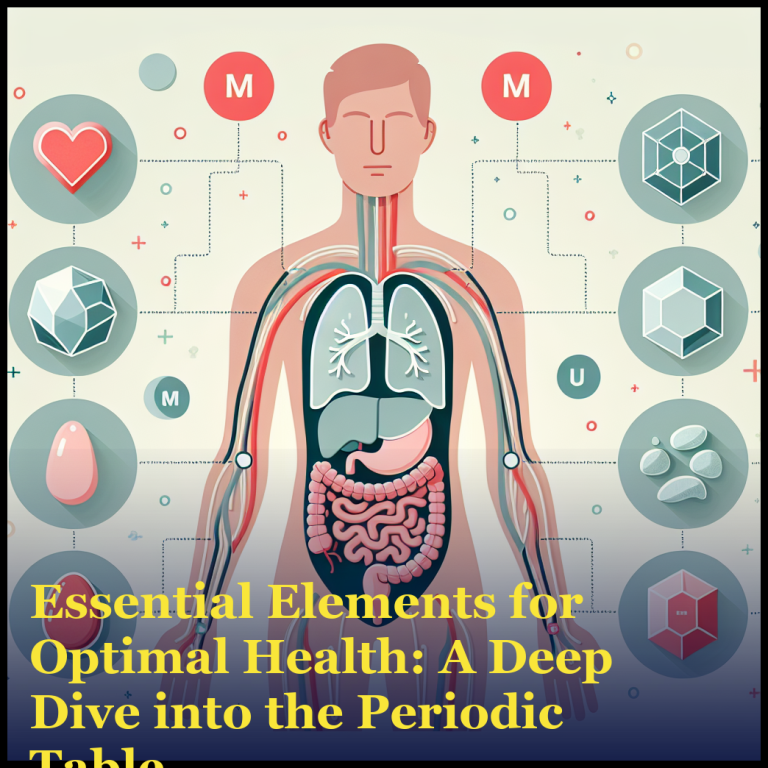
These elements are not standalone agents. They often interact synergistically—for example, magnesium helps regulate calcium levels, and vitamin C enhances the absorption of iron. This interconnected nature of nutrients underscores the necessity of a balanced and diversified diet.
Consequences of Deficiency and Toxicity
Both deficiency and excess of health elements can lead to significant medical problems. For instance, iron deficiency may result in fatigue, impaired cognitive function, and weakened immunity. On the other hand, iron overload (hemochromatosis) can damage vital organs like the liver and heart.
Similarly, iodine deficiency is a leading cause of hypothyroidism and goiter worldwide, particularly in regions where iodized salt is not used. Yet, excessive iodine intake can also disrupt thyroid function and contribute to autoimmune thyroiditis.
It’s important to understand that the body’s need for these elements lies within a narrow physiological window. The concept of “homeostasis” is central—maintaining the optimal internal balance of elements to avoid both scarcity and toxicity.
Evolutionary and Developmental Importance
Many of these essential elements have played critical roles in human evolution and development. Throughout gestation and early childhood, elements like iron, zinc, and iodine are crucial for brain and nervous system formation. Maternal deficiency during pregnancy can lead to irreversible cognitive impairments in offspring.
During adolescence, when bone development accelerates, calcium and phosphorus demands increase. Magnesium and zinc remain integral for hormonal balance and skin health.
In later life, adequate levels of selenium, magnesium, and calcium have been linked to a decrease in chronic diseases such as cardiovascular disease, osteoporosis, and cognitive decline.
The Role of Modern Medicine in Element Monitoring
In clinical practice, modern diagnostics allow us to measure and monitor elemental levels through blood panels, hair analysis, and urine tests. These tools provide insight into deficiencies that might otherwise go unnoticed in standard checkups.
For example, physicians monitor serum magnesium and potassium in patients with heart conditions or who are on diuretic therapy. Similarly, individuals with gastrointestinal disorders may require monitoring for zinc and iron deficiencies due to impaired absorption.
Understanding these values lets clinicians make evidence-based dietary or supplemental recommendations, tailored to the individual’s biochemical needs.
Key Takeaways: Why Essential Elements Matter
- The periodic table isn’t just for chemists—the elements on it shape your daily health and wellbeing.
- Essential elements like calcium, magnesium, iron, and zinc are critical for body function, from muscle movement to immune defense.
- Both insufficient and excessive intake of these elements can compromise health.
- The optimal approach is a balanced, nutrient-rich diet supported by clinical monitoring when necessary.
- Our understanding of health elements continues to evolve, offering new strategies for preventive and personalized medicine.
In sum, embracing the vital role of essential elements is a cornerstone of proactive, science-based health. By recognizing the importance of these often-overlooked nutrients—and knowing how they function in the body—we can make better dietary and lifestyle choices that support longevity and resilience.
Natural Sources of Essential Elements
Our bodies are composed of an astonishing array of elements—many of which originate from the periodic table. While some play structural roles in bones and tissues, others act as co-factors in enzymatic reactions, regulate nerve impulses, support immune function, and maintain fluid balance. Understanding where these essential elements come from—and how to ensure we’re getting enough of them—is a cornerstone of optimal health and disease prevention.
Fortunately, nature provides us with abundant sources of these health-essential elements. From nutrient-rich fruits and vegetables to mineral-rich water and naturally sourced salts, our environment offers multiple ways to support our elemental intake. However, achieving the right balance depends not just on what we eat, but how we eat. This section explores the primary dietary and environmental origins of essential elements and how to effectively weave them into a health-supportive lifestyle.
Macrominerals and Trace Elements: Natural Origins
The body requires minerals in varying quantities. Macrominerals like calcium, magnesium, sodium, potassium, phosphorus, sulfur, and chloride are needed in larger amounts. On the other hand, trace elements such as iron, zinc, copper, selenium, iodine, manganese, molybdenum, and chromium are required in smaller—but nonetheless crucial—quantities.
These elements enter our bodies primarily through food and water. However, other environmental routes—such as soil quality, drinking water mineral content, and even the cookware we use—can influence our intake. Below, we break down natural sources of key essential elements found in daily diets.
Top Food Sources of Essential Elements
A well-rounded diet grounded in whole foods is the most sustainable method for delivering essential health elements. Incorporating a variety of fruits, vegetables, nuts, seeds, whole grains, legumes, dairy, and lean meats provides your body with a comprehensive mineral profile.
- Calcium: Found abundantly in dairy products like yogurt and cheese, as well as in leafy greens (collards, kale), fortified plant-based milks, almonds, and sardines with bones.
- Magnesium: Present in pumpkin seeds, black beans, spinach, avocado, and dark chocolate.
- Iron: Red meat, lentils, tofu, spinach, and fortified cereals are excellent sources. Vitamin C-rich foods like oranges or bell peppers can enhance iron absorption from plant-based sources.
- Zinc: Found in oysters, beef, chickpeas, cashews, quinoa, and eggs.
- Selenium: Brazil nuts provide a highly concentrated source; other options include tuna, eggs, and whole grains.
- Iodine: Adequate levels are found in iodized salt, seaweed (nori, wakame), fish, and dairy.
- Potassium: Richly present in bananas, beans, sweet potatoes, beets, and oranges.
- Phosphorus: Best obtained from meat, dairy, nuts, and legumes.
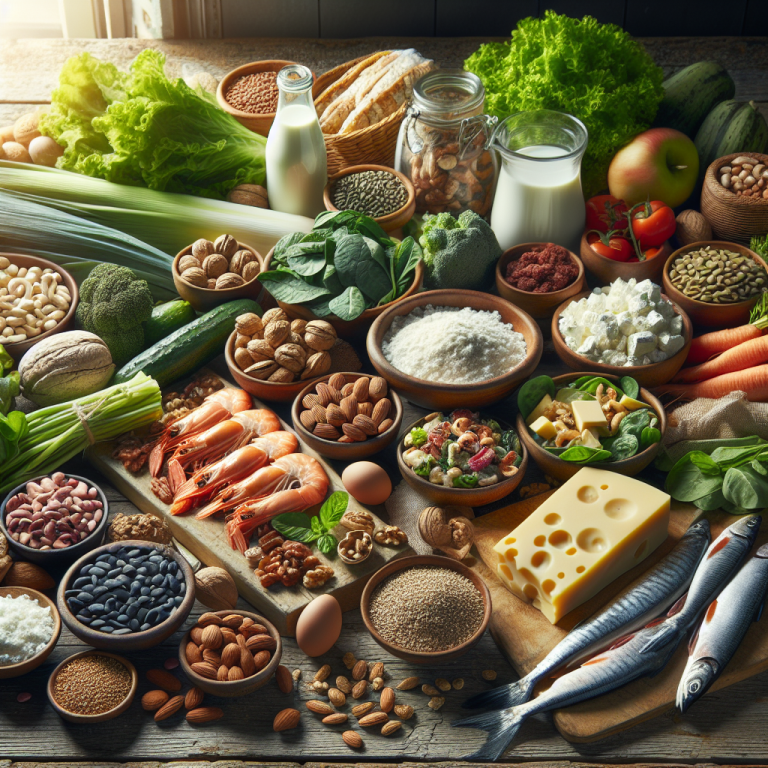
As seen above, many foods are power-packed with multiple beneficial elements. For instance, a serving of cooked spinach provides iron, magnesium, calcium, and potassium. Similarly, cooked beans are rich in both magnesium and zinc. Integrating these foods into meals regularly builds an elemental foundation necessary for optimal metabolic and physiological function.
Hydration and Elemental Intake
Drinking water is an underestimated source of essential minerals. Depending on geographic region and water treatment practices, natural drinking water can contain elements like magnesium, calcium, and even trace levels of selenium and fluoride.
Hard water, in particular, often contributes significantly to magnesium and calcium intake. However, individuals using water purification systems such as reverse osmosis may filter out these minerals. In these instances, mineral-balanced water or dietary adjustments may be warranted to maintain optimal intake.
Environmental and Lifestyle Influences
Soil composition greatly impacts the mineral content of plant-based foods. Plants absorb minerals directly from the soil; if soil is deficient, crops may not provide adequate levels, despite appearing nutrient-dense. Consequently, organically-grown produce from mineral-rich soils or biodynamically farmed foods may offer superior nutritional content.
Cooking methods also affect elemental retention. Boiling vegetables may result in leaching of water-soluble minerals unless the cooking water is consumed. Steaming, grilling, or sautéing with minimal water helps preserve mineral content. Cooking equipment, especially cast iron pans, can marginally contribute to dietary iron, particularly when acidic foods (e.g., tomato-based dishes) are involved.
Incorporating Essential Elements Into Daily Eating
Nutrition does not need to be complicated to be complete. By following a few practical guidelines, individuals can ensure consistent intake of vital elements through their meals and beverages.
- Diversify your plate: Rotate your protein, grain, and vegetable choices weekly to maximize exposure to various minerals.
- Include greens daily: Leafy greens are among the most versatile sources of magnesium, potassium, and calcium.
- Favor whole over processed foods: Processing often strips away natural minerals. For example, white rice loses much of its magnesium and zinc compared to brown rice.
- Use iodized salt mindfully: A modest amount of iodized salt can help meet iodine needs, especially in diets low in seafood or seaweed.
- Snack on nuts and seeds: Pumpkin seeds, almonds, and sunflower seeds offer a quick boost of magnesium and zinc.
- Balance acidity and alkalinity: Consuming too many acid-forming foods (like excess meat or refined grains) can disrupt the body’s mineral equilibrium. Balance with alkaline-rich options like fruits and vegetables.
Populations at Risk for Mineral Deficiencies
Certain populations are more susceptible to suboptimal elemental intake, including:
- Elderly adults: Due to reduced appetite, absorption efficiency, and potential medication interactions.
- Pregnant and breastfeeding women: Who have increased needs for iron, calcium, iodine, and zinc.
- Vegans and vegetarians: May lack in iron, zinc, calcium, selenium, and iodine due to limited availability in plant-based diets.
- Individuals with gastrointestinal conditions (e.g., celiac disease, Crohn’s): Often have impaired mineral absorption.
- Endurance athletes: Who may lose key electrolytes and minerals through sweat.
For these groups, thoughtful dietary planning or careful supplementation (discussed in the next section) becomes even more critical to prevent serious deficiencies affecting bone, neurological, immune, and cardiovascular health.
Conclusion: Nature’s Pharmacy is on Your Plate
The most powerful way to ensure consistent and safe intake of essential elements is by building a diverse, whole food-based diet tailored to your personal health needs and preferences. When we prioritize mineral-rich foods and optimize how we prepare and consume them, we not only meet our daily elemental requirements but also empower our bodies to operate at peak health potential.
Moreover, becoming aware of our environmental inputs—such as water quality and soil health—reminds us how intimately interconnected our wellbeing is with the world around us. By choosing thoughtfully grown produce, using minimally processed ingredients, and incorporating a variety of elemental-rich foods, we nourish ourselves from the periodic table outward.
The Science of Supplementation: When Diet Isn’t Enough
In an ideal world, we would obtain all the essential elements we need from the foods we eat and the environments in which we live. However, modern lifestyles, soil depletion, food processing, and individual dietary restrictions can all contribute to nutritional gaps—particularly in essential minerals and trace elements. In these cases, supplementation may play a critical role in supporting overall health and correcting deficiencies before they result in disease or dysfunction.
Essential elements such as magnesium, zinc, iron, selenium, and iodine are crucial for numerous physiological functions ranging from oxygen transport to immune defense to thyroid hormone regulation. While these nutrients are naturally present in whole foods like leafy greens, nuts, seafood, and whole grains, research shows that many populations—especially older adults, pregnant women, and individuals with chronic medical conditions—often fail to meet even the basic Recommended Dietary Allowances (RDAs).
This is where strategic supplementation becomes essential—not as a substitute for healthy eating but as a precision tool in personalized nutrition and functional medicine. Understanding when and how to supplement is grounded in sound science, and often requires diagnostic support to determine biochemical individuality. It’s not just about adding pills to your routine; it’s about targeted micronutrient repletion safely and effectively.
Identifying the Need for Supplementation
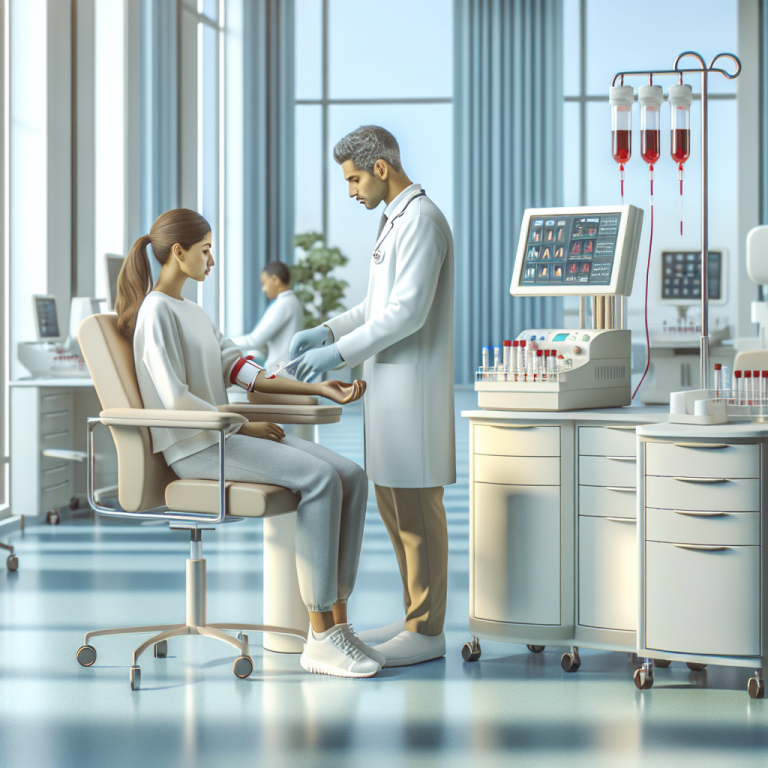
The first step in appropriate supplementation is determining whether it’s necessary. Over-the-counter nutrient supplements may be easy to access, but that doesn’t mean they should be broadly or indiscriminately used. Self-prescribing without medical oversight can lead to overconsumption, nutrient imbalances, or even toxicity in the case of elements like iron or selenium.
To avoid this, sophisticated testing protocols now offered through health elements labs provide comprehensive insights into each individual’s micronutrient status. These tests, which may include intracellular mineral analysis, hair or urine element tests, and serum panels, reveal not just whether an element is present but whether it’s functional and bioavailable at the tissue level—critical for real-world health outcomes.
- Magnesium: Often deficient due to its depletion in soil and common diuretic use; essential for over 300 enzymatic reactions.
- Zinc: Required for immune function, wound healing, and gene expression; vegetarians and older adults are at higher risk for deficiency.
- Iron: Particularly important in menstruating women and during pregnancy; over-supplementation can be harmful without confirmed deficiency.
- Selenium: Crucial for thyroid hormone metabolism and antioxidant defense; deficiency varies by geography and soil content.
- Iodine: Essential for proper thyroid function; low levels may cause goiter or developmental issues in children.
Functional medicine practitioners and registered dietitians often use these laboratory evaluations to create customized nutrient protocols based on each patient’s metabolic activity, lifestyle, genetics, and disease history. This clinical approach transforms supplementation from a generic recommendation into a precise intervention.
Balancing Necessity with Safety: Avoiding Overload
While deficiency has well-known risks, excess can also carry significant consequences. Understanding tolerable upper intake levels (ULs) of essential elements is vital. Taking too much of certain minerals can interfere with the absorption of other nutrients or cause toxicity symptoms. For example:
- Excess iron can promote oxidative stress and organ damage in individuals with hereditary hemochromatosis or undiagnosed overload.
- Excess zinc can impair immune function and reduce copper absorption, causing anemia and neurological issues.
- Too much selenium may cause selenosis, leading to hair loss, neurological damage, and gastrointestinal upset.
To mitigate this, established supplementation guidelines recommend:
- Evidence-based dosing: Matching dosages to clinical needs, lifestyle factors, or diagnosed deficiencies.
- Bioavailability: Choosing supplement forms with higher absorption rates (e.g., magnesium glycinate vs. oxide).
- Timing and absorption: Taking some mineral supplements at specific times (e.g., calcium away from iron) for optimal uptake without interference.
- Monitoring: Regular retesting every 3–6 months to adjust supplementation based on changing needs and levels.
Supplementation Strategies Across the Life Span
Nutrient needs change over time, and targeted supplementation strategies can help address the unique requirements of different life stages:
- Infancy and childhood: Focus on growth-related nutrients like iron, calcium, and iodine. Pediatricians may recommend vitamin D and iron drops for infants, particularly those exclusively breastfed.
- Adolescence: Increased demands for iron, calcium, and magnesium due to rapid bone and muscle development. A well-balanced diet remains key, with strategic supplementation when dietary gaps are evident.
- Pregnancy and lactation: There is a heightened need for nearly all micronutrients, especially iron, folate, iodine, and zinc. Prenatal supplements are carefully designed to support fetal development while meeting maternal needs.
- Adulthood: Lifestyle-related deficiencies may arise due to stress, poor eating habits, or chronic conditions. Testing becomes more critical in this stage for long-term disease prevention.
- Older adults: Absorption declines with age, necessitating proactive monitoring of elements like magnesium, B12, and zinc; these support energy production, immune defense, and cognitive function.
Choosing the Right Supplements
Not all supplements are created equal. Quality, formulation, and manufacturing practices influence how a supplement behaves in the body. Here’s what to consider when choosing essential element supplements:
- Third-party certification: Look for NSF, USP, or ConsumerLab-approved products that verify purity and dosage accuracy.
- Formulation: Minerals in chelated forms (e.g., magnesium bisglycinate) often offer greater absorption and gastrointestinal tolerance.
- Avoiding unnecessary additives: Seek products free from artificial colors, unnecessary fillers, and allergenic binders.
- Professional-grade supplements: These are often backed by clinical research and manufactured under tighter regulations than some consumer-grade options.
The Role of the Practitioner and Diagnostic Technology
With technological advancements in diagnostic testing, personalized supplementation is no longer aspirational—it’s becoming the standard in integrative care. Health elements diagnostics, such as micronutrient panel testing and genetic nutrient metabolism profiling, enable practitioners to create tailored supplementation plans that reflect not just a patient’s symptoms but their underlying biological needs.
Many practices are now integrating nutrition-focused laboratory panels as part of annual wellness exams, using information from micronutrient levels, heavy metal exposures, and metabolic markers to track how well the body is utilizing key elements. This data can then be used to adjust food choices, lifestyle practices, and yes—supplement regimens—for optimal health outcomes.
In addition, the development of AI-powered nutrition platforms is allowing for real-time integration of lab results, wearable data, and symptom tracking to generate individualized programs. These tools will likely lead to a proactive shift in nutrition care, where imbalance is identified and corrected before symptoms appear.
Final Thoughts: Supplementation as a Precision Tool
Supplementing with essential elements is not an act of convenience—it’s a therapeutic decision guided by evidence, testing, and individual context. While our diets should always form the core of our nutritional wellness, science now enables us to close the remaining gaps with intelligence, safety, and precision. The key is personalization: using laboratory insights and practitioner expertise to identify what is truly needed and delivering it in the appropriate dose and form to achieve balanced, functional health.
As we continue to advance in our understanding of micronutrients and their role in chronic disease prevention, the integration of diagnostics, nutrigenomics, and smart supplementation will emerge as a cornerstone of individualized wellness strategies for the 21st century.
Understanding Health Elements: Beyond the Basics
As we deepen our understanding of nutrition and the human body’s complex biochemistry, it’s becoming increasingly clear that essential elements—far beyond just the “big four” of carbon, hydrogen, nitrogen, and oxygen—play pivotal roles in long-term health, disease prevention, and even therapeutic outcomes. An emerging area of clinical nutrition and medical science is focused on how trace elements such as selenium, zinc, iodine, iron, magnesium, and molybdenum contribute to metabolic processes, influence immunological responses, and support neurological function.
This section explores how these elements interact at cellular and systemic levels, their relevance in chronic disease management, and the burgeoning role of technology in turning elemental health data into personalized wellness strategies through diagnostic centers and AI-assisted platforms.
The Role of Trace Elements in Chronic Disease Prevention
Trace elements—required in minute but critically essential amounts—are foundational in enzymatic activity, hormonal balance, and redox regulation. For instance, selenium is a powerful antioxidant cofactor in glutathione peroxidases that neutralize cell-damaging free radicals. Low selenium levels have been linked to increased risk of cardiovascular disease and thyroid dysfunction.
Likewise, magnesium deficiency is now considered a silent contributor to conditions such as hypertension, Type 2 diabetes, and mood disorders. This mineral regulates over 300 enzymatic reactions and plays a central role in energy production, nerve transmission, and muscular function.
- Zinc: Supports immune defense, wound healing, and DNA synthesis; deficiency has been associated with increased susceptibility to infections.
- Iron: Facilitates oxygen transport and electron transfer; iron balance is vital, as both deficiency and overload can disrupt health.
- Iodine: Crucial for thyroid hormone production, influencing metabolism and cognitive development.
- Copper: Involved in red blood cell formation, iron metabolism, and neurodevelopment.
Research increasingly shows that imbalances in these elements, whether through diet insufficiencies or genetic variations in nutrient metabolism, may predispose individuals to diseases like Alzheimer’s, osteoporosis, and metabolic syndrome. Therefore, personalized management of one’s elemental profile is becoming a cornerstone of preventative medicine.
Health Elements Diagnostic Centers: A New Frontier in Precision Wellness
The modern health landscape is shifting from generalized recommendations to precision health guided by bioinformatics and clinical diagnostics. Health elements diagnostic centers—integrative labs that specialize in the assessment of essential and toxic elements in biological tissues—are emerging as vital partners in individualized medicine.
These centers use advanced testing protocols such as plasma and red blood cell mineral testing, urine chemistry for heavy metal burden, and hair tissue mineral analysis (HTMA) to create a comprehensive mineral blueprint. Results are interpreted by functional medicine clinicians and nutritionists to identify deficiencies or excesses that may not manifest clearly in conventional blood panels.
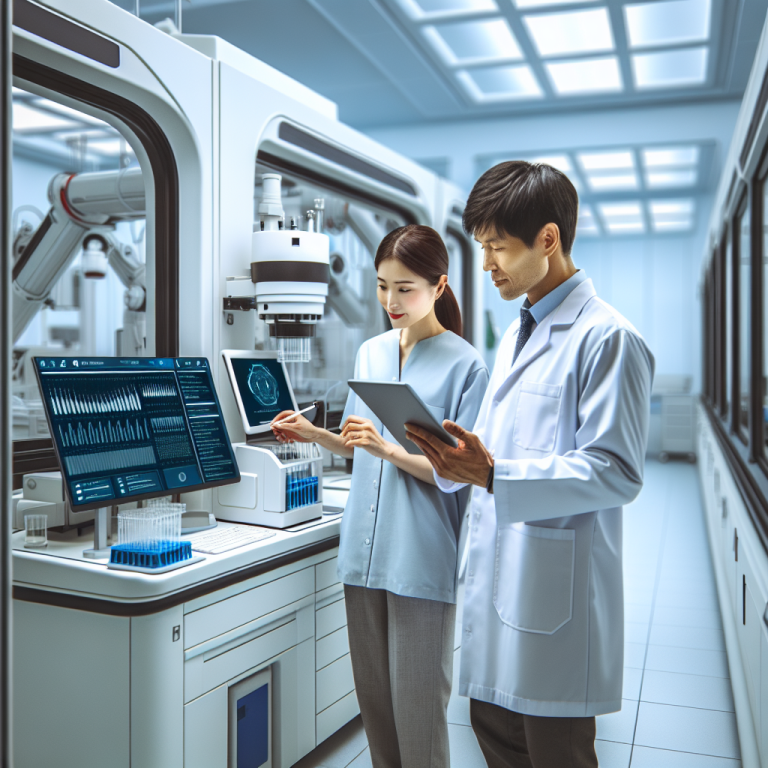
For instance, a patient presenting with chronic fatigue might be unaware of a latent magnesium deficiency that suppresses mitochondrial efficiency. Through targeted screening, underlying imbalances can be linked to specific health complaints, and nutritional or supplemental corrections can be tailored accordingly.
- Early detection of subclinical mineral deficiencies or toxic mineral exposure
- Customized supplementation protocols based on evidence-based thresholds
- Ongoing monitoring using biomedical markers for long-term tracking
- Integration with genomic data for nutrigenomic insights
The key advantage is the shift from the “one-size-fits-all” supplement model to personalization. Rather than randomly taking high-dose multivitamins or minerals, individuals can now align their intake with real physiological needs, reducing the risks associated with over-supplementation—a growing concern in self-directed wellness.
The Rise of Health Elements AI: Toward Smart Preventive Care
Artificial intelligence (AI) is redefining how we interpret health data. By integrating trace element profiles with genomic sequences, microbiome information, lifestyle inputs, and environmental exposures, advanced AI platforms are capable of delivering hyper-personalized health programs.
One exciting development is the creation of algorithms that predict future deficiencies or health risks based on geological, dietary, and even pharmacological data. For example, long-term users of proton pump inhibitors—a class of drugs used for acid reflux—are often found to have low magnesium and calcium levels. An AI platform, reading pharmacy records and lab tests, could flag this risk and recommend a preventative protocol.
Additionally, wearable health trackers and smart apps can now be synced with element tracking software, allowing for dynamic feedback. Imagine receiving daily hydration reminders or personalized menus based on your current potassium-sodium ratio derived from real-time biomarkers.
- AI-assisted diet planning based on elemental needs and absorption efficiency
- Predictive modeling for disease susceptibility linked to nutrient status
- Visual dashboards tracking mineral intake versus biological utilization
- Virtual coaching from certified nutritionists using AI-generated insights
While still evolving, AI-driven health elements platforms are quickly becoming indispensable for those managing complex health conditions—such as autoimmune disorders, metabolic disease, or post-chemotherapy recovery—where nutrition plays a key functional role. In clinical trials, these tools are also being researched for improving outcomes in conditions like depression, where mineral status (e.g., zinc and magnesium) is now recognized as relevant in treatment pathways.
The Future: Integrating Elemental Health into Mainstream Care
Incorporating elemental diagnostics and AI technologies into routine care could redefine our approach to wellness and longevity. Hospitals beginning to use mineral panels alongside standard blood chemistry have seen improvements in outcome prediction and therapeutic accuracy.
Furthermore, clinicians are advocating for stronger collaborations between dietitians, laboratories, and primary care providers to ensure mineral balance is not overlooked in either proactive or rehabilitative medicine.
- Educating clinicians and patients about the health impacts of trace elements
- Including elemental screenings in annual check-ups
- Developing policies for ethical, secure use of AI in nutrient profiling
- Fostering public health awareness about dietary sources of essential elements
Ultimately, understanding the periodic table not just as a chart from chemistry class, but as a blueprint for human vitality, allows us to unlock new dimensions of health. With the intersection of clinical diagnostics, nutritional science, and artificial intelligence, we are on the cusp of a new era where elemental wellness becomes both accessible and actionable.
As we move forward, individuals are empowered not only to know their numbers—but to act on them. A periodic approach to health, once a poetic metaphor, is becoming a literal guide to optimizing the human body for life in the 21st century.
Frequently Asked Questions
What are the essential elements for optimal health?
Essential elements for optimal health include macrominerals such as calcium, magnesium, and potassium, and trace elements like iron, zinc, and selenium. These nutrients support vital functions, including bone health, immune system, energy production, and hormone regulation.
How can I ensure I’m getting enough trace elements in my diet?
Ensuring a diet rich in fruits, vegetables, nuts, seeds, whole grains, and lean proteins can help maintain adequate intake of trace elements. Foods like spinach, nuts, seafood, and whole grains are particularly nutrient-dense. For those with dietary restrictions, supplementation might be necessary.
Can excessive intake of essential elements be harmful?
Yes, while essential elements are crucial for health, excessive intake can lead to toxicity and health problems. For instance, too much iron can cause liver damage, and excess selenium may lead to selenosis. Balancing intake through diet and mindful supplementation is key.
Are there specific groups more at risk for elemental deficiencies?
Certain populations, including elderly adults, pregnant and breastfeeding women, vegans and vegetarians, and individuals with gastrointestinal conditions, are more susceptible to elemental deficiencies. These groups may benefit from targeted dietary planning or supplementation.
How do health elements diagnostics centers contribute to personalized wellness?
Health elements diagnostics centers offer advanced testing to assess essential and toxic elements in the body. This allows for identification of specific deficiencies or excesses, enabling customized nutritional and supplementation plans tailored to individual health needs and goals.