
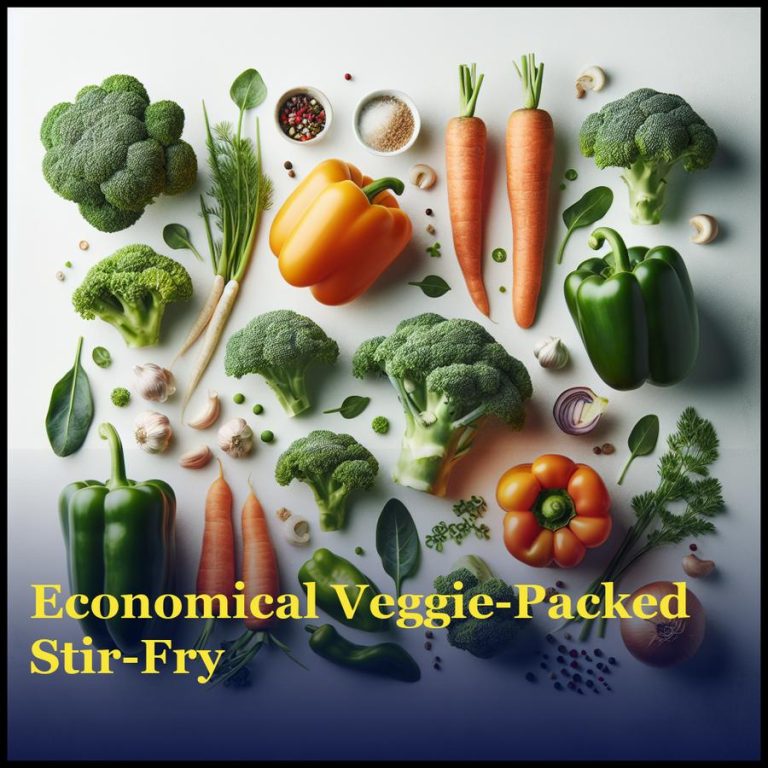
Ingredients
Starting Guide:
Ingredient Substitutions:
Health Benefits:
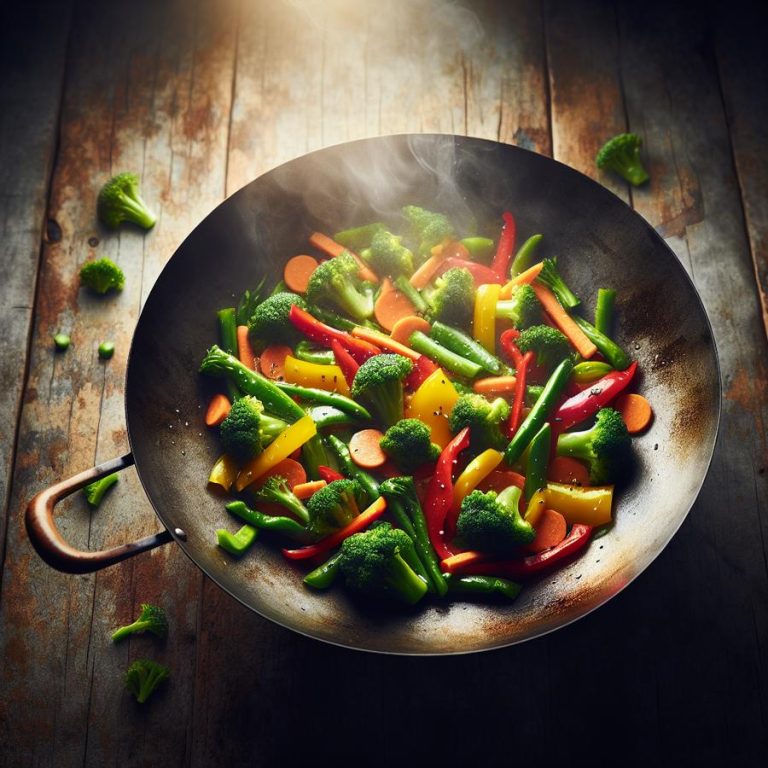
Step-by-Step Instructions:
Preparation
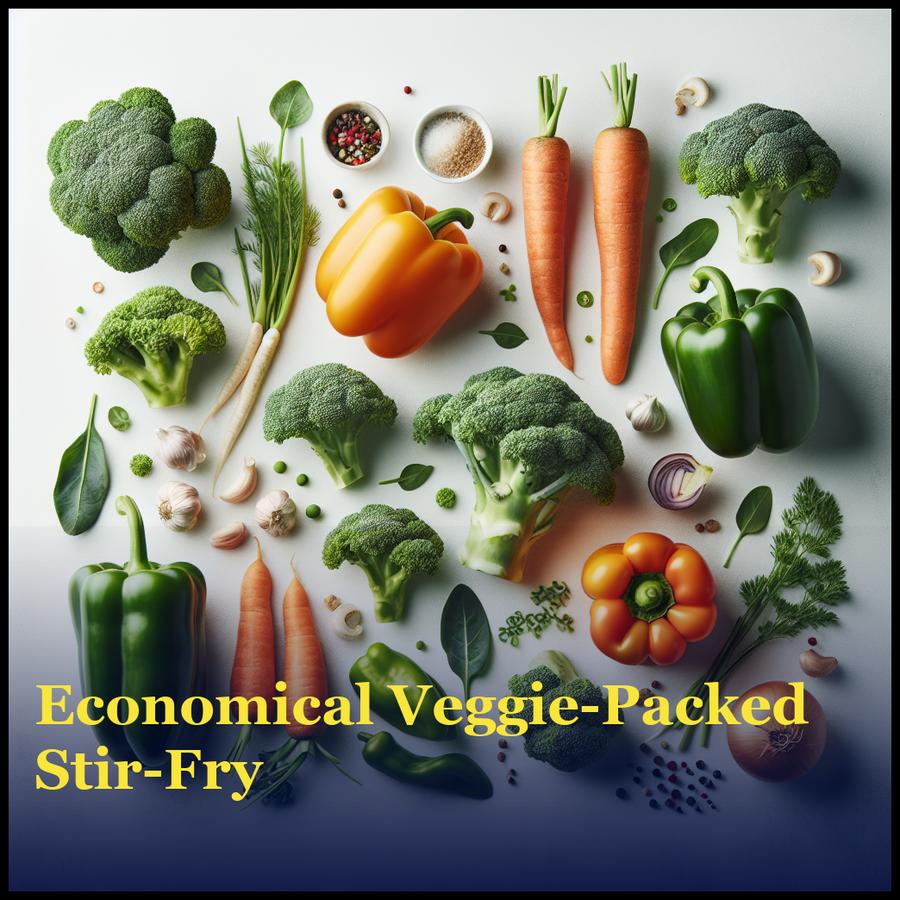
- Wash all the vegetables (bell peppers, broccoli, carrots, and snap peas) thoroughly.
- Chop bell peppers and carrots into thin strips.
- Cut broccoli into small florets.
- Mince garlic and ginger.
Cooking Process
- Heat a large wok or frying pan over medium-high heat and add a tablespoon of cooking oil.
- Add minced garlic and ginger to the pan, stirring quickly to avoid burning.
- Introduce the carrots first, stir-frying for 2 minutes before adding the broccoli and bell peppers.
- After the vegetables have softened slightly, add the snap peas and stir in soy sauce and a splash of water to help steam and cook the veggies.
- Continue to stir-fry for another 3-4 minutes until all vegetables are tender yet crisp.
- Finish by stirring in a teaspoon of sesame oil for flavor.
Serving:
Serve the stir-fry hot, straight from the wok onto plates or bowls. Optional: garnish with sesame seeds or a sprinkle of fresh green onions for an extra pop of flavor.
Cooking Advices:
This recipe is highly adaptable. For a low-carb option, use tamari sauce instead of soy sauce and serve over cauliflower rice. To make it vegetarian, ensure your soy sauce is vegan. For added protein, consider tossing in tofu, shrimp, or chicken breast pieces at the garlic and ginger stage. Experiment with different vegetables based on seasonality and affordability.
FAQ
How do I make a healthy stir-fry on a budget?
Start by selecting seasonal vegetables, which are often more affordable. Use basic pantry items like soy sauce and cooking oil, and consider bulk-buying staples. This stir-fry recipe is designed to maximize both health and budget by utilizing inexpensive, nutritious vegetables and minimal condiments.
What vegetables are best for a budget-friendly stir-fry?
Bell peppers, broccoli, carrots, and snap peas are both nutritious and often available at lower costs, especially if you buy them in season. Other budget-friendly options include cabbage, onions, and green beans. Adjust the recipe based on availability and price.
Can I substitute ingredients in the stir-fry recipe for dietary restrictions?
Absolutely! For a low-carb version, use tamari sauce instead of soy sauce and opt for cauliflower rice. To accommodate vegetarians, check that your soy sauce is vegan. Protein additions like tofu, shrimp, or chicken can be made for those seeking a higher-protein meal. Feel free to swap in or out vegetables based on personal preferences and nutritional needs.
How can I eat healthy on a budget as a single person?
Focus on buying whole foods in bulk, looking for sales, and storing leftovers properly to avoid waste. Single servings of this stir-fry can be refrigerated or frozen for later, making it a smart choice for individuals. Incorporating a variety of vegetables ensures a nutrient-rich meal without breaking the bank.
Any tips for making meal planning on a budget easier?
Plan your meals around seasonal produce and sales flyers. Bulk cooking and freezing can save both time and money. Incorporate versatile recipes like this stir-fry, which can be adapted based on what ingredients are most affordable or on hand. Tools like a grocery list and a budget tracker can also help manage spending while ensuring a healthy diet.
Nutrition Information:
One serving of this vegetable-packed stir-fry is not just a feast for your taste buds but a boon for your health as well. It’s low in calories, yet rich in essential nutrients. Expect roughly 150-200 calories per serving, with healthy fats accounting for 5g, proteins for 4g, and carbohydrates for 20g, making it an excellent option for those watching their weight or managing blood sugar levels. The vegetables provide an abundance of vitamins A, C, and K, as well as minerals like potassium and iron, supporting a range of bodily functions from immune defense to bone health. The addition of garlic and ginger not only flavors the dish but also brings anti-inflammatory and antimicrobial properties, promoting a healthy gut and a strong immune system. This stir-fry is a nutritional powerhouse, designed to energize, protect, and nourish your body.