
Ingredients
Ingredient Substitutions
Starting Guide
Health Benefits
Easy Healthy Meal Plan: Weekly Schedule
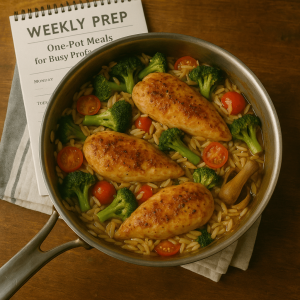
Transform your hectic weekdays with this strategic 7-day meal rotation designed specifically for busy professionals. Each day features a different one-pot meal that takes 30 minutes or less to prepare, ensuring you never sacrifice nutrition for convenience.
Monday: Mediterranean Chicken Skillet
Start your week with a protein-packed combination of seasoned chicken thighs, chickpeas, bell peppers, and quinoa cooked in a single cast-iron skillet. This meal provides 25 grams of protein and serves as your foundation for the week.
Tuesday: Red Lentil Curry
Mid-week comfort comes from this warming curry featuring red lentils, coconut milk, spinach, and aromatic spices. Prepare a double batch to enjoy leftovers on Thursday, saving precious time during your busiest work days.
Wednesday: Black Bean and Sweet Potato Chili
Energize your hump day with this fiber-rich chili that combines black beans, diced sweet potatoes, and fire-roasted tomatoes. The natural sweetness balances perfectly with cumin and paprika for a satisfying lunch or dinner.
Thursday: Asian-Inspired Chicken Stir-Fry
Utilize your leftover curry alongside fresh vegetables in this quick stir-fry. Add pre-cooked brown rice, snap peas, and a simple ginger-soy sauce for an international flavor profile that breaks up the week’s routine.
Friday: Italian White Bean and Vegetable Soup
End your work week with this comforting soup featuring cannellini beans, zucchini, carrots, and fresh basil. The light yet satisfying nature prepares your body for a relaxing weekend.
Weekend Flexibility
Saturday and Sunday allow for either meal prep for the following week or enjoying fresh variations of your favorite weekday recipes with family and friends.
One-Pot Meal Prep Tips for Busy Professionals
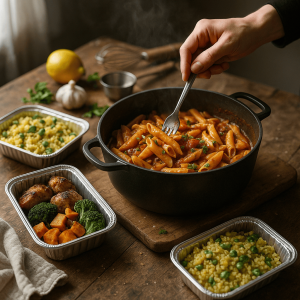
Maximize your meal prep efficiency with these time-tested strategies that fit seamlessly into demanding work schedules. These techniques ensure fresh, flavorful meals throughout the week without daily cooking stress.
Strategic Batch Cooking
Cook grains and proteins in large quantities every Sunday. Prepare 3-4 cups of quinoa, brown rice, and farro in your rice cooker while simultaneously roasting 2-3 pounds of chicken thighs in the oven. This foundation approach provides mix-and-match components for various meals.
Smart Storage Solutions
Invest in glass containers with airtight lids in multiple sizes. Store cooked grains separately from sauces and vegetables to maintain optimal texture. Use wide-mouth mason jars for soups and stews, which reheat evenly and stack efficiently in your refrigerator.
Flavor Layering Techniques
Prepare flavor bases like sautéed onions, garlic, and ginger in large batches. Store these aromatics in small containers and add them to different meals throughout the week. This technique ensures each meal tastes freshly prepared rather than reheated.
Equipment Optimization
Utilize your Instant Pot for beans and tough vegetables, slow cooker for hands-off cooking during work hours, and sheet pans for roasting multiple components simultaneously. Each appliance serves a specific purpose in your meal prep arsenal.
Reheating Best Practices
Add a splash of broth or water when reheating grain-based meals to restore moisture. Reheat soups and stews on the stovetop rather than microwave for even heating. Store fresh herbs separately and add them after reheating to maintain vibrant flavors.
Shopping List and Prep Checklist
Streamline your grocery shopping and meal preparation with this comprehensive weekly checklist designed to minimize store visits and maximize kitchen efficiency.
Proteins (Choose 2-3)
- Boneless chicken thighs (2 lbs)
- Dried beans: black beans, chickpeas, white beans (1 lb each)
- Red lentils (1 lb bag)
- Firm tofu (2 blocks, if vegetarian option desired)
Grains and Starches
- Brown rice (2 lb bag)
- Quinoa (1 lb container)
- Whole grain pasta (2 boxes)
- Sweet potatoes (3-4 medium)
Fresh Vegetables
- Yellow onions (3 lb bag)
- Bell peppers: red, yellow, orange (6 total)
- Carrots (2 lb bag)
- Zucchini (4 medium)
- Fresh spinach (5 oz container)
- Cherry tomatoes (1 pint)
Pantry Essentials
- Canned diced tomatoes (4 cans, low sodium)
- Coconut milk (2 cans, full-fat)
- Low-sodium vegetable broth (64 oz)
- Extra virgin olive oil
- Apple cider vinegar
Fresh Aromatics
- Fresh garlic (1 bulb)
- Fresh ginger (2-inch piece)
- Fresh basil (1 package)
- Lemons (4 whole)
Sunday Prep Checklist
- Wash and chop all vegetables, store in airtight containers
- Cook 2 cups quinoa and 2 cups brown rice
- Soak beans overnight (if using dried)
- Season and portion chicken for the week
- Prepare one complete meal for Monday and Tuesday
- Label all containers with contents and date
Frequently Asked Questions
How long do prepared one-pot meals stay fresh in the refrigerator
Properly stored one-pot meals remain fresh for 4-5 days in the refrigerator when kept in airtight containers. Grain-based meals with vegetables typically last 4 days, while bean and lentil dishes can stay fresh for up to 5 days. Always check for signs of spoilage before consuming and trust your senses if something seems off.
Can I freeze these meal prep recipes for longer storage?
Yes, most one-pot meals freeze well for up to 3 months. Avoid freezing meals with high water content vegetables like zucchini or cucumber, as they become mushy when thawed. Cool meals completely before freezing and leave space in containers for expansion. Thaw overnight in the refrigerator before reheating.
What’s the best way to reheat meal prep containers?
For best results, reheat meals on the stovetop with a splash of broth or water to restore moisture. Microwave reheating works for quick meals but may create uneven heating. Always reheat to 165°F internal temperature for food safety. Add fresh herbs or a squeeze of lemon after reheating to brighten flavors.
How can I add variety to prevent meal prep boredom?
Rotate different spice blends weekly, change your protein sources, and vary your vegetable combinations seasonally. Keep fresh herbs, hot sauces, and lemon wedges available to customize flavors when reheating meals. Consider preparing different grain bases to change textures and nutritional profiles.
Are these recipes suitable for special dietary needs?
Yes, these recipes easily adapt to various dietary requirements. Use plant-based proteins like tofu or tempeh for vegetarian diets, substitute cauliflower rice or zucchini noodles for low-carb alternatives, and choose gluten-free grains when needed. Each recipe includes substitution suggestions to accommodate different nutritional needs and preferences.